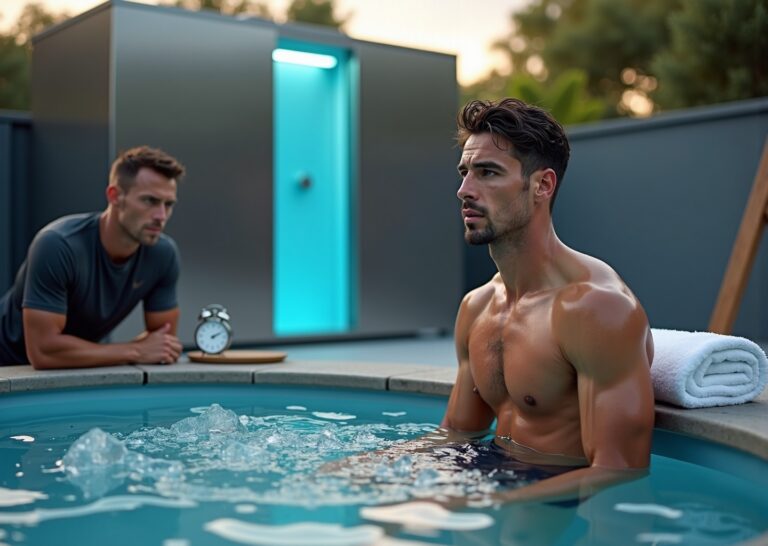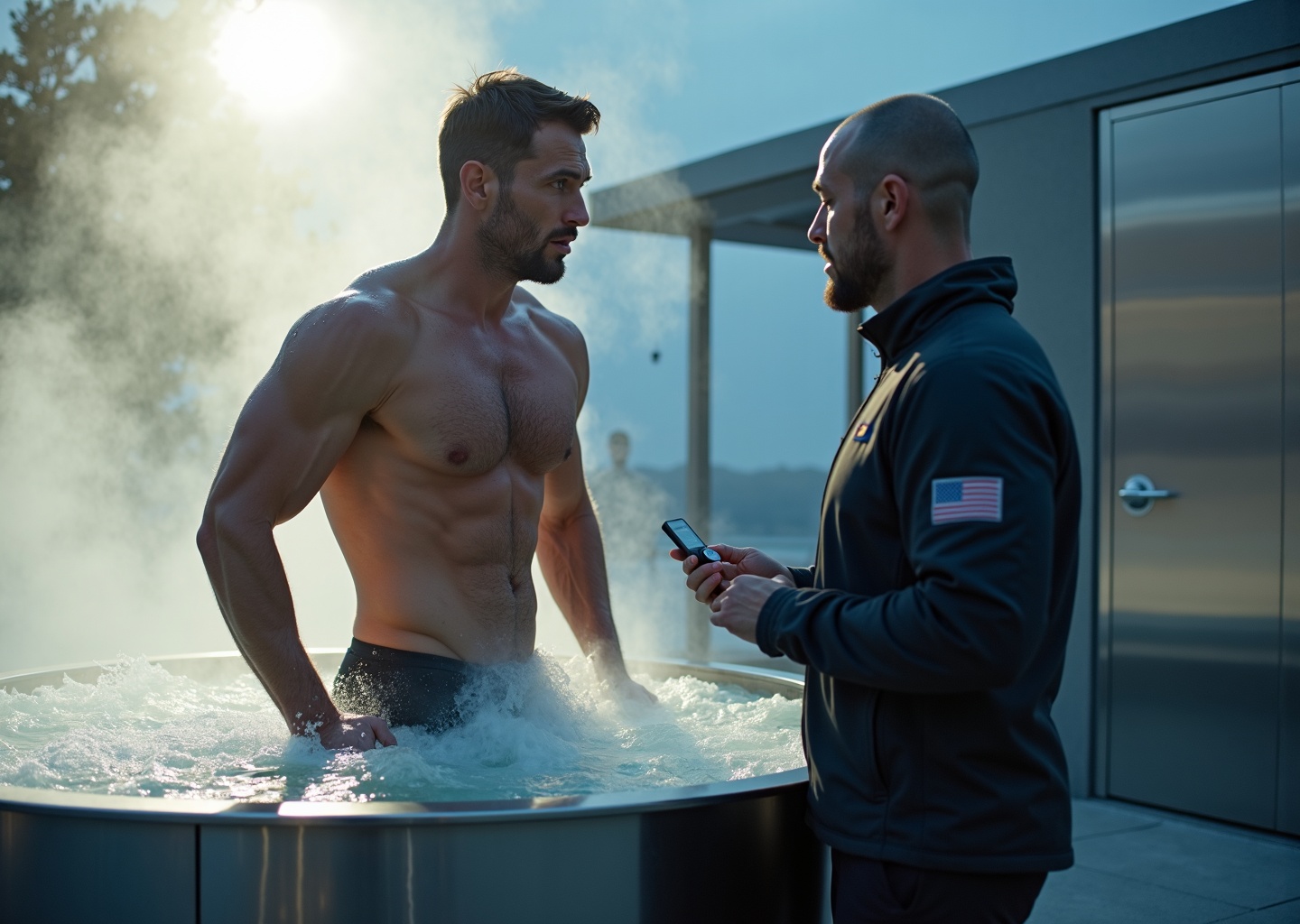
Cold exposure—from ice baths to whole-body cryotherapy—triggers robust neurochemical and hormonal responses. Studies report dopamine spikes as high as 250% after acute cold stress, a mechanism that can enhance mood, motivation, and alertness. This article explains the science behind dopamine release, practical protocols for athletes, timing strategies, safety, and sport-specific recovery routines.
How cold exposure increases dopamine and the supporting evidence
The feeling of sharp alertness and elevated mood after a cold plunge isn’t just a subjective experience; it’s rooted in a powerful neurochemical cascade. The often-cited 250% increase in dopamine is a key part of this story, but understanding how it happens requires looking at the body’s primal response to a sudden, intense stressor. When you immerse yourself in cold water, your body doesn’t know you’re doing it for performance enhancement. It perceives a threat to its core temperature and initiates a powerful survival response.
This response begins with the activation of the sympathetic nervous system, our “fight-or-flight” mechanism. Dense cold receptors in the skin send urgent signals to the brain, primarily to the hypothalamus. The hypothalamus, acting as the body’s command center, orchestrates a system-wide release of catecholamines. These are a class of neurotransmitters that include norepinephrine (noradrenaline), epinephrine (adrenaline), and dopamine. The primary goal is to increase metabolic rate to generate heat and constrict blood vessels in the extremities to keep the core warm.
Dopamine’s role in this process is complex. It is a precursor to both norepinephrine and epinephrine, meaning its synthesis is ramped up to fuel their production. But it’s also released on its own from the adrenal medulla and sympathetic nerve endings into the bloodstream. This surge in peripheral dopamine is what researchers can measure. The landmark study that established the 250% figure was conducted by Šrámek and colleagues in 2000. In this controlled crossover trial, participants were immersed in 14°C (57°F) water for one hour. The results were striking: plasma norepinephrine levels soared by 530%, and plasma dopamine concentrations increased by 250%. You can find the original study here: Human physiological responses to immersion into water of different temperatures.
What makes this dopamine release particularly interesting is its time course. The initial spike happens quickly as the body reacts to the cold shock. However, unlike the fleeting high from many other dopamine-releasing activities, the elevation from cold exposure is sustained. Levels of dopamine remain elevated for hours after leaving the water. This prolonged release is thought to be responsible for the lasting improvements in mood, focus, and motivation that many people report. The body doesn’t experience the sharp “crash” associated with other stimulants because the release is part of a broader, sustained physiological adaptation rather than a short-lived reward signal.
It is crucial, however, to assess the evidence with a critical eye. The Šrámek study, while foundational, had a small sample size. Much of the subsequent discussion, especially in popular media, traces back to this single, well-conducted but limited trial. Most human studies, by necessity, measure dopamine in the blood (plasma). This peripheral dopamine does not easily cross the blood-brain barrier, so it doesn’t directly tell us what’s happening with dopamine levels inside the brain’s reward and motivation circuits. While animal models show that cold stress does increase dopamine release in brain regions like the nucleus accumbens, directly translating these findings to humans is a significant leap. We infer that a similar central nervous system response is occurring, but direct evidence from human neuroimaging studies is still an emerging area of research.
Furthermore, individual responses can vary significantly based on factors like body fat percentage, cold adaptation level, and genetic predispositions affecting neurotransmitter systems. While cold water immersion is the most studied modality, whole-body cryotherapy (WBC) likely triggers a similar, though perhaps more rapid, catecholamine response due to the extreme temperatures. However, research directly comparing the dopamine response between WBC and cold water immersion is still in its early stages.
In summary, the evidence that acute cold exposure causes a substantial increase in peripheral catecholamines, including a dopamine spike of up to 250%, is strong and supported by controlled human trials. This physiological mechanism, driven by sympathetic nervous system activation, provides a clear basis for the reported benefits to mood and alertness. The primary open research question remains the extent to which this peripheral surge reflects dopamine activity within the central nervous system. Future studies using advanced neuroimaging techniques are needed to bridge this gap and provide a more complete picture of how the brain responds to cold, solidifying the link between that icy plunge and peak mental performance.
Practical ice bath and cryotherapy protocols for performance and recovery
Transitioning from the science of how cold exposure triggers a dopamine surge, we now focus on the practical application. Knowing that a plunge can elevate dopamine is one thing; knowing exactly how to do it safely and effectively is another. This guide provides evidence-based protocols for using ice baths and whole-body cryotherapy to enhance performance, accelerate recovery, and sharpen mental focus.
Defining the Parameters: Temperature and Duration
The effectiveness of cold exposure hinges on two key variables: how cold and for how long. The relationship is inverse; the colder the temperature, the shorter the required exposure time.
Ice Baths (Cold Water Immersion – CWI)
The generally accepted temperature range for ice baths is between 4–15°C (40–60°F). Durations typically fall between 3 and 12 minutes. The foundational study found that immersion in 14°C (57°F) water was sufficient to produce a significant increase in plasma dopamine. For beginners, starting at the higher end of this temperature range, around 15°C (60°F), for about 5 minutes is a sensible entry point. More experienced individuals might opt for colder temperatures, like 4–10°C (40–50°F), for shorter durations of 3–5 minutes to achieve a potent stimulus. CWI is generally more accessible and affordable, and the water’s hydrostatic pressure adds a compressive effect that many find beneficial for muscle soreness.
Whole-Body Cryotherapy (WBC)
WBC exposes the body to extremely cold, dry air in a specialized chamber. Temperatures range from −110 to −140°C (−166 to −220°F). Due to the extreme cold, sessions are very brief, lasting only 1.5 to 3 minutes. The dry nature of the cold is often perceived as more tolerable than wet cold, but the physiological stress is intense, demanding strict adherence to safety protocols and professional supervision. It provides a powerful systemic shock that is excellent for reducing inflammation and triggering a massive neurological response.
Progression: From Beginner to Advanced
Your journey with cold exposure should be gradual. Pushing too hard, too soon, can be counterproductive and unsafe.
Step-by-Step for Beginners
- Start with a warmer temperature you can tolerate, such as 15°C (60°F). Aim for an initial immersion of just 2–3 minutes. The primary goal is to control your breathing and overcome the initial cold shock response. Focus on slow, steady exhales.
- Once you can comfortably handle the initial time and temperature for several sessions, you can begin to progress. Choose one variable to change at a time. Either decrease the temperature by a degree or two, or increase the duration by a minute.
- Consistency is more important than intensity. Aim for a few sessions a week to allow your body to adapt, rather than one extremely challenging session that leaves you depleted. A frequency of 3 to 5 sessions per week is often cited as sustainable and effective.
For the Advanced User
Once you are well-acclimated, you can explore colder temperatures and more targeted protocols. This might involve sessions in water as cold as 4°C (40°F) for 3 minutes or using cryotherapy to maximize the hormonal response in a short time frame. At this stage, you are intentionally using the cold as a precise tool to achieve a specific outcome.
Monitoring Your Tolerance
Listening to your body is non-negotiable. Subjective and objective cues can tell you when you’re in the optimal zone and when it’s time to get out.
- Rate of Perceived Exertion (RPE) Use a 1-10 scale where 1 is no stress and 10 is an overwhelming, unbearable cold. A productive session should feel challenging, perhaps a 7 or 8, but never a 10.
- Shivering An initial, mild shiver is a normal physiological response. However, if you begin to shiver violently and uncontrollably, your body is losing heat too quickly. This is a clear signal to end the session.
- Skin Checks Your skin will become pale and red as blood vessels constrict and then dilate upon rewarming (reactive hyperemia). This is normal. Watch for waxy, white patches of skin, which can be an early sign of frostnip, a precursor to frostbite. If you see this, exit immediately and rewarm the area gently.
Sample Protocols for Specific Goals
You can tailor your cold exposure routine to align with your immediate goals.
Pre-Competition Alertness
To leverage the acute spike in dopamine and norepinephrine for heightened focus and readiness, a short, intense exposure is best. Try a 1–3 minute plunge in very cold water (around 10°C / 50°F) or a single 2-minute WBC session about 30–60 minutes before your event.
Post-Training Recovery
To reduce muscle soreness and manage inflammation after a strenuous workout, a longer, less intense session is more appropriate. Aim for 8–12 minutes in water between 12–15°C (54–60°F). This helps mitigate the inflammatory cascade without being so intensely stressful that it impairs recovery.
Mood and Mental Focus
For a sustained elevation in mood and focus, as discussed in the Huberman Lab newsletter, the goal is to trigger a robust dopamine release. A brief but intense session, such as 2–4 minutes at 10°C (50°F) or colder, or a WBC session, is effective. The key is finding a temperature that is uncomfortably cold but safe to endure for a few minutes.
Contrast Therapy
Contrast therapy involves alternating between cold and hot water immersion. This creates a pumping action in the blood vessels, which may help flush metabolic waste and enhance recovery. A common protocol is a 3:1 ratio of cold to hot. For example, 3 minutes in a 10°C (50°F) ice bath followed by 1 minute in a 38°C (100°F) hot tub, repeated for 3 to 5 cycles. Always end on a cold cycle.
Essential Safety Practices
Safety must always be the top priority.
- Medical Screening Consult a doctor before beginning any cold exposure protocol, especially if you have cardiovascular conditions, high blood pressure, or Raynaud’s syndrome.
- Supervision Never engage in cold water immersion or cryotherapy alone. Always have a spotter or supervisor present.
- Hydration Drink plenty of water before and after your session, as cold exposure can have a diuretic effect.
- Warming Strategies Have a clear plan for rewarming. This includes having a towel, dry clothes, and a warm, non-alcoholic beverage ready. Do not take a hot shower immediately after, as this can cause a rapid shift in blood pressure. Allow your body to rewarm gradually.
Timing effects and sport specific recommendations
When you take the plunge is just as important as how cold or how long you go. The timing of cold exposure can either supercharge your performance or, in some cases, subtly undermine your long-term goals. It’s not a one-size-fits-all tool; its application must be strategic and aligned with your specific training phase and sport. The decision hinges on a simple question: what are you trying to achieve right now?
For an immediate mental edge, a brief, intense cold exposure can be a powerful primer. Think of it as a neurochemical ignition switch. A short plunge of 1 to 3 minutes before a competition or a mentally demanding task can trigger a significant release of dopamine and noradrenaline. This is the science behind the reported 250% increase in dopamine, a surge that enhances alertness, focus, and motivation without the jittery side effects of stimulants. Multiple analyses have confirmed that this catecholamine release improves reaction time and cognitive clarity, making it ideal for athletes in technical sports like shooting, archery, or golf, where steady hands and sharp focus are paramount. The effect isn’t just about feeling “switched on”; it’s about creating a state of calm alertness that can be the difference between a good performance and a great one.
On the other end of the spectrum is post-exercise recovery. After a grueling endurance race or a high-intensity team sport match, the primary goal is to manage inflammation, reduce muscle soreness, and accelerate the body’s return to baseline. In these scenarios, an ice bath of 5 to 12 minutes within an hour of finishing is highly effective. The cold causes vasoconstriction, or the narrowing of blood vessels, which helps flush metabolic waste products like lactate from the muscles. A large body of research has reaffirmed that cold water immersion significantly reduces delayed onset muscle soreness (DOMS) and perceived fatigue in the 24 to 48 hours post-exercise. For athletes facing a tight competition schedule, like a tennis player in a tournament or a soccer team with multiple games in a week, this rapid recovery is non-negotiable.
This is where the critical trade-off emerges, particularly for strength and power athletes. While cold exposure is excellent for recovery, using it immediately after a resistance training session can interfere with long-term muscle growth. The inflammatory response you’re trying to blunt is actually a key signal for muscle protein synthesis and hypertrophy. The consensus among sports science bodies is that athletes whose primary goal is to build muscle mass or strength should delay cold water immersion for at least 4 to 6 hours, and ideally up to 24 hours, post-workout. This waiting period allows the natural signaling cascade for adaptation to run its course. For a bodybuilder or powerlifter in a building phase, jumping into an ice bath right after lifting is counterproductive to their main objective.
So, how do you apply this in the real world? Let’s use a simple decision framework.
- If your priority is long-term adaptation (building muscle and strength): Avoid immediate cold exposure after your key resistance training sessions. Schedule your ice baths on rest days or at least 6 hours after your workout. This allows your body to fully capitalize on the anabolic signals generated by your training.
- If your priority is rapid recovery (reducing soreness for the next event): Use cold water immersion or cryotherapy within an hour after your session or competition. This is the best strategy for endurance athletes after a long run, team sport athletes between games, or anyone in a high-volume competition phase where managing fatigue is key.
- If your priority is acute performance (enhancing focus and alertness): Use a brief, intense cold exposure (e.g., 1-3 minutes in very cold water or a 2-minute cryotherapy session) about 30 to 60 minutes before you need to perform. This primes your nervous system for peak cognitive function and readiness. You can find more on the science behind this in The Science & Use of Cold Exposure for Health & Performance.
For endurance athletes, post-session cold plunges help manage the systemic inflammation from high-volume training, allowing for more consistent training day after day. For team sport athletes, immediate post-game ice baths are a staple for getting players ready for the next match. But for a sprinter or weightlifter, the focus should be on preserving every ounce of adaptation from their training, meaning cold exposure should be used sparingly and timed strategically away from their workouts. By understanding these timing principles, you can transform cold exposure from a simple recovery tool into a precision instrument for optimizing both immediate performance and long-term athletic development.
Frequently Asked Questions
Does cold exposure help with depression or anxiety?
This is a promising but still emerging area of research. The neurochemical shifts, particularly the significant release of dopamine and norepinephrine, can have a powerful mood-elevating effect. Many people report feeling calmer and more resilient after regular practice. However, the evidence is still considered preliminary. While some compelling case studies exist, large-scale clinical trials are needed. It’s crucial to view cold exposure as a potential complementary tool, not a replacement for professional medical care, therapy, or prescribed medication for clinical depression or anxiety disorders.
What are safe protocols for older adults or people with cardiovascular conditions?
Extreme caution is paramount for these groups. Older adults often have a reduced ability to thermoregulate. They should start with much warmer water (e.g., 15°C / 60°F) for very short durations (1 to 2 minutes) and always with supervision. For anyone with a known cardiovascular condition, medical clearance from a cardiologist is non-negotiable. The practice is likely to be contraindicated for many due to the intense demands placed on the heart and circulatory system.
How can I measure benefits and track progress?
Tracking progress helps you stay motivated and optimize your protocol. You can use a mix of subjective and objective measures.
- Subjective: Keep a simple journal. Rate your mood, energy levels, and focus on a scale of 1 to 10 each day. Note your ratings for perceived muscle soreness (DOMS).
- Objective: Track your Heart Rate Variability (HRV) using a wearable device. An upward trend in your baseline HRV can indicate improved nervous system recovery. You can also monitor performance metrics relevant to your sport, like sprint times, power output, or accuracy.
By logging your temperature, duration, and these metrics, you can identify what works best for you.
Final conclusions and actionable takeaways
We’ve journeyed through the intricate science connecting cold water to our brain’s chemistry. Now, let’s distill it all into a clear, practical guide. The core finding of our exploration is profound yet simple. Deliberate cold exposure is a powerful, non-pharmacological tool for modulating your neurochemistry. The headline-grabbing 250% increase in plasma dopamine and the staggering 530% rise in norepinephrine are not just abstract numbers. They represent a significant physiological event that you can trigger on demand. This surge translates directly into tangible benefits for athletes and active individuals. It means hours of elevated mood, sharper focus, and a resilient mindset, all without the crash associated with stimulants. This catecholamine cascade is the biological engine behind the feeling of invigoration and clarity that follows a cold plunge, providing a sustained advantage for both mental and physical performance.
Harnessing these benefits requires a smart and safe approach. To make this easy to implement, here is a straightforward checklist of best practices.
-
Do Start Conservatively
Your first plunge doesn’t need to be heroic. Begin with water around 50-60°F (10-15°C) for just 1 to 3 minutes. The goal is to adapt, not to endure misery. Your body will tell you when it’s ready for colder temperatures or longer durations. -
Don’t Plunge Immediately After Strength Training
The inflammation that cold exposure blunts is a key signal for muscle growth (hypertrophy). To maximize strength and size gains, wait at least 4 hours, and ideally up to 24 hours, after a resistance training session before getting into the cold. -
Do Time It for Your Goals
For a pre-competition mental boost, a short, intense plunge of 1 to 3 minutes can elevate alertness and focus. For general recovery after endurance or skill-based work, a longer session of 5 to 10 minutes is more appropriate. -
Don’t Ignore Your Body’s Signals
Mild shivering is a normal part of the process. However, if you experience violent, uncontrollable shivering, dizziness, or confusion, get out immediately. These are signs of progressing toward hypothermia. Never push past your body’s clear warning signs. -
Do Warm Up Actively
After your plunge, avoid jumping straight into a hot shower, which can be a shock to your system. Instead, perform light movements like air squats, push-ups, or simply walking around. This allows your body to reheat itself from the inside out, which is a more effective and safer method. -
Don’t Practice Alone
Especially when starting or using open water, always have someone nearby. The initial shock of the cold can be intense, and having a spotter is a critical safety measure.
For anyone new to the practice, this simple 3-step protocol provides a safe and effective entry point.
- The First Dip
Set your water temperature to 60°F (15.5°C). Aim to stay in for 1 minute. Focus on controlling your breathing. The initial gasp reflex is normal; try to transition to slow, controlled exhales. Do this 2-3 times during your first week. - Building Tolerance
In your second week, either lower the temperature to 55°F (13°C) while keeping the duration at 1-2 minutes, or keep the temperature at 60°F and extend your time to 3 minutes. Listen to your body and choose the variable that feels most manageable to progress. - Finding the Sweet Spot
By the third or fourth week, you can begin exploring the temperature range most cited for significant dopamine release, which is below 50°F (10°C). Aim for 2-3 minutes in this colder water. At this point, you have built physiological and psychological resilience, and the practice becomes less about endurance and more about its powerful effects. - 3 Surprising Ways Cold Shock Supercharges Your Mind — Dopamine: Studies show that cold exposure can increase dopamine levels by up to 250%. Dopamine is the “feel-good” neurotransmitter responsible for …
- Dopamine 101: How Movement and Cold Plunges Can Boost Your … — Research from Huberman Lab suggests that a 1-3 minute cold immersion can increase dopamine levels by up to 250%. This surge is not only …
- The Science & Use of Cold Exposure for Health & Performance — Even short bouts of cold exposure can cause a lasting increase in dopamine and sustained elevation of mood, energy, and focus. Listen to Episode #39 to learn …
- Top 6 Benefits of Cold Plunges – BreakThrough Physical Therapy — Enhance Your Mood & Focus. One study showed that a cold plunge at 57°F caused a 250% increase in dopamine levels, and a 530% increase in …
- The untapped potential of cold water therapy as part of a lifestyle … — In the controlled study by Sramek and colleagues, CWI increased dopamine concentrations by 250% [29]. Kidney disease and renal function. Cold water therapy …
- The benefits of cold-water immersion therapy – UF Health Jacksonville — A 250% increase in dopamine, which can affect mood and gives you the feeling of pleasure and satisfaction; A slightly increased metabolic rate …
- Human physiological responses to immersion into water of different … — Plasma noradrenaline and dopamine concentrations were increased by 530% and by 250% respectively, while diuresis increased by 163% (more than at 32 degrees C).
ol>
As we look toward the future of performance and recovery science, the field of deliberate cold exposure is ripe with opportunity. While the existing evidence is compelling, practitioners should keep an eye on emerging research. Key unanswered questions remain. We need more studies using advanced neuroimaging to directly map the changes in brain dopamine, moving beyond the peripheral blood measurements we currently rely on. Researchers are also beginning to investigate the long-term effects on the dopamine system. Does the body build a tolerance, requiring colder or longer stimuli for the same effect? Furthermore, large-scale randomized controlled trials are needed to solidify protocols for specific applications, such as managing symptoms of ADHD or depression, and to understand how individual genetics might influence a person’s response. The next few years promise to bring a new level of precision to our understanding, refining these powerful protocols even further.
Sources
Legal Disclaimers & Brand Notices
Medical Disclaimer: The information provided in this article regarding cold exposure protocols, cryotherapy, physiological responses (including dopamine and norepinephrine), and recovery strategies is for informational purposes only. It is not intended to be a substitute for professional medical advice, diagnosis, or treatment. Always seek the advice of a qualified healthcare provider, such as a physician or cardiologist, before starting any new health regimen, especially if you have pre-existing medical conditions (such as cardiovascular issues, high blood pressure, or Raynaud’s syndrome), or if you are pregnant or an older adult. Reliance on any information provided by this article is solely at your own risk.
Trademark Acknowledgement: All product names, logos, and brands mentioned in this article, or related to the procedures described, are the property of their respective owners. The use of these names, trademarks, and brands does not imply endorsement.