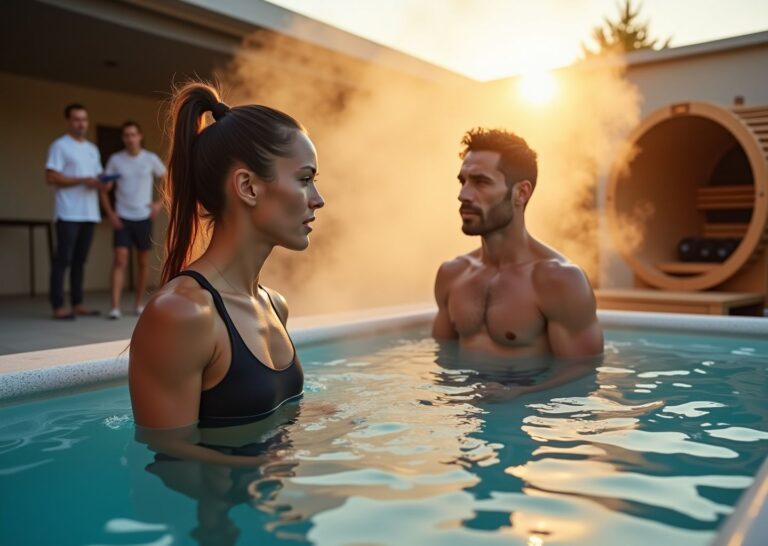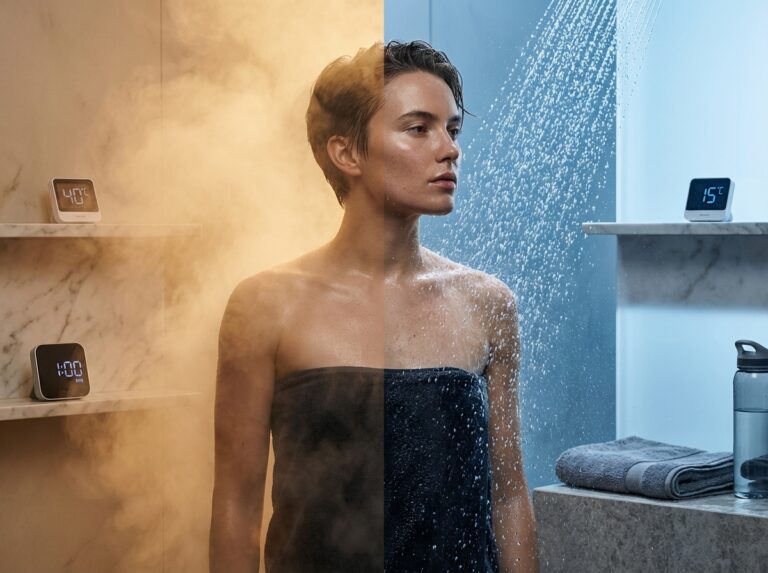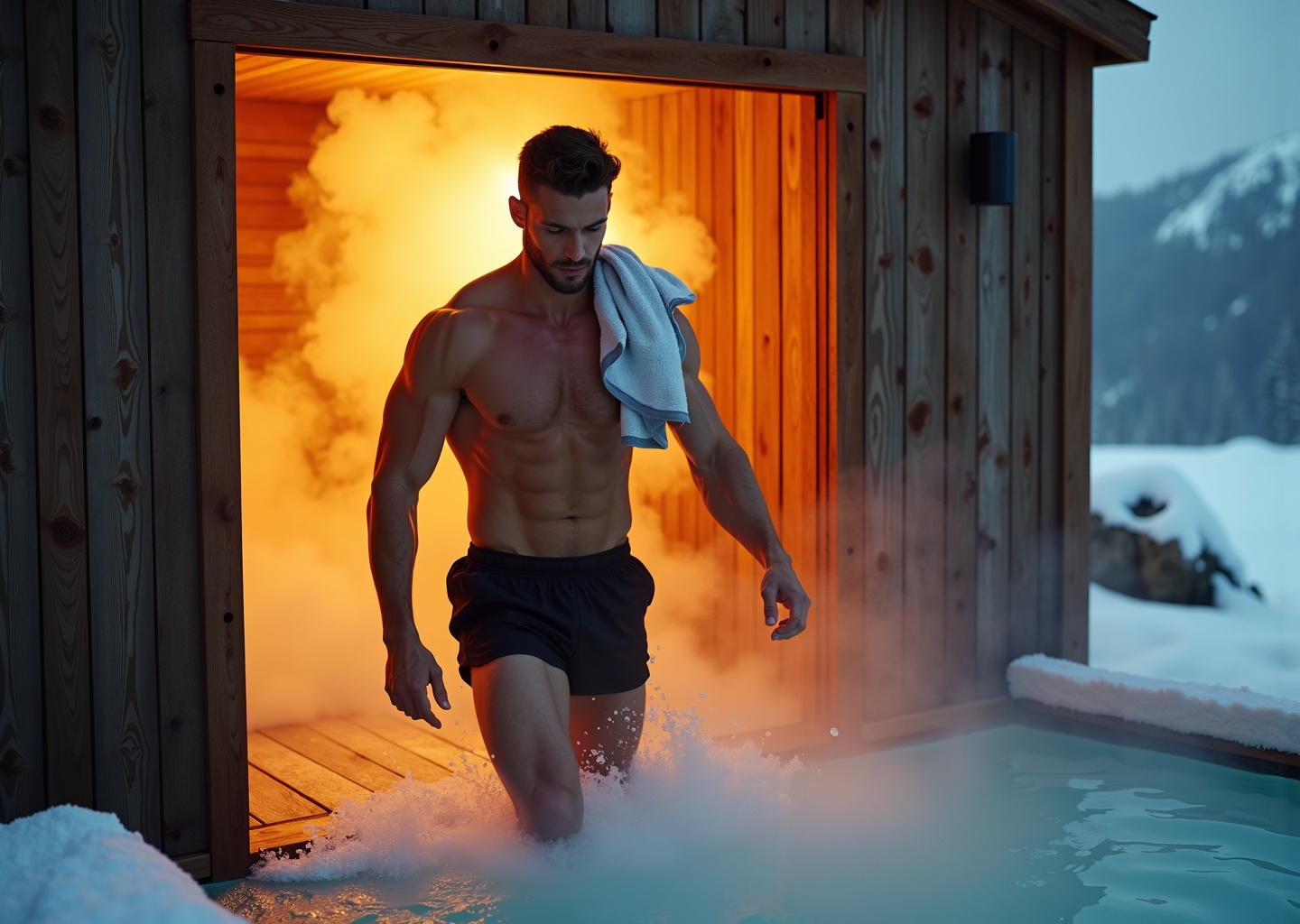
Contrast therapy combining sauna heat and ice baths can acutely stimulate growth hormone release and accelerate recovery when applied correctly. This article explores the physiological mechanisms, evidence-based temperatures and timings, sport-specific protocols, safety considerations, and monitoring strategies to design an effective sauna-to-ice bath routine tailored to athletes and active adults.
How Heat and Cold Influence Growth Hormone and Recovery
To understand how sauna and ice baths boost growth hormone, we need to look at the body’s response to stress. Both intense heat and cold are forms of hormetic stress, a type of beneficial stressor that triggers adaptive responses, making the body stronger and more resilient. The synergy lies in how these thermal stressors manipulate our endocrine and nervous systems.
Heat exposure, particularly from a sauna, is a powerful stimulant for the hypothalamic-pituitary-somatic axis, the command center for growth hormone (GH) production. When your core body temperature rises, your hypothalamus is prompted to release Growth Hormone-Releasing Hormone (GHRH). This signals the pituitary gland to secrete a pulse of GH into the bloodstream. This isn’t a minor effect. Research, including a landmark Finnish study, has shown that specific, intense sauna protocols can cause a transient GH spike of up to 16 times the baseline level. Other studies have found that even single 15-minute sessions can increase GH by over 140%, while two 20-minute sauna sessions at 80°C separated by a cooling period increased serum GH levels more than five-fold. This heat-induced response is further amplified by an increase in catecholamines like norepinephrine, which also supports GH release. Beyond hormones, heat activates Heat Shock Proteins (HSPs), which act like cellular chaperones, repairing damaged proteins and protecting cells from stress, a key mechanism for muscle recovery.
Cold exposure works through a different, yet complementary, pathway. Plunging into an ice bath triggers a massive activation of the sympathetic nervous system, the body’s “fight or flight” response. This causes a significant release of norepinephrine, a hormone and neurotransmitter that sharpens focus, reduces inflammation, and modulates mood. However, the direct impact of cold on GH is less straightforward. Some studies suggest that acute cold water immersion can actually blunt the immediate release of GH and its downstream partner, Insulin-like Growth Factor 1 (IGF-1). This is why timing is critical. The primary recovery benefit of cold is not a GH spike but rather potent vasoconstriction, which flushes metabolic byproducts from muscles and significantly reduces inflammation and perceived soreness.
The real synergy emerges when you combine these protocols. Using a sauna first elevates core temperature and initiates the GH release cascade. Following up with a cold plunge capitalizes on this hormonal state while adding a powerful anti-inflammatory and nervous system benefit. The acute GH spike from heat typically peaks around 2-3 hours post-exposure and can remain elevated for several hours, creating an optimal window for tissue repair, particularly during sleep.
While the hormonal response is impressive, it is crucial to distinguish between these acute spikes and meaningful long-term changes in body composition. There isn’t strong direct evidence that contrast therapy alone causes significant muscle growth. Its primary benefit lies in enhancing recovery, which allows you to train harder and more consistently. This sustained support system, rather than a single GH peak, is what contributes to improved performance and body composition over time. A 2023 meta-analysis confirmed the benefits of sauna for cardiovascular health markers but highlighted that most hormonal studies are small and use varied protocols, often on well-trained young men, making broad generalizations difficult. The key takeaway is that while the numbers are impressive, they represent a temporary physiological event, not a permanent anabolic state.
(For inclusion in the article, a simple diagram could illustrate the GH response timeline. The x-axis would show time, with a 20-minute sauna session followed by a 3-minute cold plunge. The y-axis would show GH concentration, depicting a sharp rise peaking around 30-90 minutes after the sauna and remaining elevated above baseline for several hours.)
(A second diagram, a flowchart, could link “Thermal Stress” to two branches. The “Heat” branch leads to “Hypothalamic Activation,” then “GH & HSP Release,” and finally “Cellular Repair & Anabolism.” The “Cold” branch leads to “Sympathetic Activation,” then “Norepinephrine Release & Vasoconstriction,” and finally “Reduced Inflammation & Soreness.” Both final boxes would point to a concluding box labeled “Optimized Recovery & Performance Adaptation.”)
Design Principles for Combining Sauna and Ice Baths
To truly harness the power of thermal stress for growth hormone (GH) release, the way you combine sauna and ice baths is just as important as doing them in the first place. It’s not about random exposure; it’s about intentional design. The sequence, duration, and temperature of each phase create a specific physiological signal, and for maximizing GH, that signal needs to be precise.
The most effective, evidence-based approach for stimulating a significant GH pulse is to lead with heat. The rationale is straightforward: intense heat exposure is the primary driver for activating the hypothalamic-pituitary axis to release GH. Studies have shown that sauna sessions can dramatically increase GH levels, with some research noting a staggering 16-fold increase after repeated bouts of high heat. By placing the sauna first, you initiate this powerful hormonal cascade. The subsequent cold plunge then acts as a potent secondary stressor. It triggers a massive sympathetic nervous system response, flooding your body with catecholamines like norepinephrine, which further enhances alertness and metabolic activity without blunting the initial GH release. Starting with cold, conversely, can cause vasoconstriction that might slightly dampen the body’s ability to heat up as efficiently in the sauna, potentially reducing the primary stimulus for GH.
This leads us to contrast therapy, the practice of cycling between hot and cold. Beyond the hormonal benefits, these cycles create a powerful “pump” for your circulatory system. The heat causes vasodilation (widening of blood vessels), and the cold causes vasoconstriction (narrowing). Alternating between them forces blood and lymphatic fluid to move throughout the body, which can accelerate the removal of metabolic byproducts and reduce inflammation. For GH release, completing multiple cycles sustains the physiological stress required to keep the hormonal signals elevated.
To structure your session effectively, adhere to these evidence-based parameters:
- Sauna Temperature and Duration
Aim for a traditional dry sauna temperature between 70–100°C (158–212°F). The goal is to create significant heat stress. Session durations of 8–20 minutes are typically sufficient. While wet saunas or steam rooms also raise body temperature, most of the robust research on GH spikes comes from Finnish-style dry saunas. - Ice Bath Temperature and Duration
For general recovery and nervous system regulation, a temperature of 10–15°C (50–59°F) is effective. To maximize the hormonal and metabolic response, a more intense plunge between 1–10°C (34–50°F) is ideal. Immersion should last between 2–6 minutes. Longer is not always better; listen to your body. - Cycles and Transitions
Perform between 1 to 4 full cycles of hot and cold. The transition time between the sauna and the ice bath should be minimal—just enough time for a quick, cool rinse if desired. This rapid temperature change is key to maximizing the physiological shock.
Several practical variables can make or break your results. Hydration is non-negotiable. Dehydration places excess strain on the cardiovascular system and can blunt the GH response. Drink plenty of water with electrolytes before, during, and after your session. During the cold plunge, focus on your breathing. Instead of gasping, practice slow, controlled diaphragmatic breaths to calm your nervous system and manage the shock. While techniques like Wim Hof breathing can increase cold tolerance, paced breathing is a safer and more sustainable starting point.
Timing is also critical. For recovery and GH optimization, perform your contrast therapy session post-workout. However, be mindful of hypertrophy goals. Some research suggests that immediate post-workout cold immersion might blunt muscle protein synthesis. To be safe, you might perform your session several hours after a strength workout or on a dedicated recovery day.
Here is a sample step-by-step contrast session designed to maximize acute GH release:
- Preparation
Hydrate thoroughly with water and electrolytes for at least an hour leading up to the session. - Round 1: Heat
Enter a pre-heated sauna at 85°C (185°F). Stay for 15 minutes. Focus on steady breathing. - Transition
Exit the sauna and take a brief (15-30 second) cool shower to rinse off sweat. Move directly to the ice bath. - Round 1: Cold
Submerge yourself up to your neck in an ice bath at 10°C (50°F). Stay for 2 minutes. Use long, controlled exhales to manage the initial shock. - Rest
Exit the ice bath and rest at room temperature for 5-8 minutes. Towel dry and continue to hydrate. Do not actively rewarm with blankets; let your body do the work. - Repeat
Complete this entire cycle for a total of 2-4 rounds, adjusting sauna and ice bath durations based on your tolerance.
This structured approach moves beyond simple heat and cold exposure, turning it into a precise tool for driving specific adaptations. By controlling the sequence, temperature, and timing, you can create a powerful and repeatable stimulus for enhancing natural growth hormone release and accelerating your recovery.
Temperature Timing and Frequency Recommendations
Transitioning from the principles of contrast therapy to practical application requires a structured approach. Your ideal routine will depend on your experience level, training load, and how your body responds to thermal stress. The goal is to progressively adapt, maximizing the hormonal and recovery benefits without inducing excessive fatigue. Below are tiered recommendations to guide your journey, from your first session to advanced athletic protocols.
Beginner Protocol (First 1–3 Months)
The initial phase is about acclimation. Your focus should be on consistency and listening to your body, not pushing to extreme limits. The goal is to introduce the thermal stress gently to allow your nervous and cardiovascular systems to adapt.
- Sauna Temperature: 70–80°C (158–176°F)
- Ice Bath Temperature: 10–15°C (50–59°F)
- Weekly Frequency: 2 sessions per week, ideally on recovery or light training days.
Sample Session Template:
Perform this sequence once through, then repeat for a second cycle.
- 10–12 minutes in the sauna. Focus on steady, diaphragmatic breathing.
- Immediate transition (less than 1 minute) to the ice bath.
- 2–3 minutes of cold immersion. Control your breathing to manage the initial shock.
- Rest for 2–3 minutes at room temperature before starting the second cycle.
Intermediate Protocol (After 3+ Months of Consistency)
Once you feel comfortable with the beginner routine and your recovery feels robust, you can increase the intensity. This involves hotter saunas, colder plunges, and longer durations to deepen the adaptive response.
- Sauna Temperature: 80–90°C (176–194°F)
- Ice Bath Temperature: 6–10°C (43–50°F)
- Weekly Frequency: 2–3 sessions per week.
Sample Session Template:
Perform this sequence for a total of 2 to 3 cycles.
- 15 minutes in the sauna.
- Immediate transition to the ice bath.
- 3–5 minutes of cold immersion.
- Rest for 2 minutes between cycles.
Advanced Protocol (For Experienced Athletes)
This level is for athletes who are highly adapted to thermal stress and are looking to maximize GH release and recovery during intense training blocks. These protocols are demanding and should only be attempted after months of consistent intermediate-level work.
- Sauna Temperature: 90–100°C (194–212°F)
- Ice Bath Temperature: 2–6°C (35–43°F)
- Weekly Frequency: 3–4 sessions per week. A very intense, GH-focused protocol like four 30-minute sauna sessions with 5-minute cool-downs should be done only once per week.
Sample Session Template:
Perform this sequence for a total of 3 to 4 cycles.
- 15–20 minutes in the sauna.
- Immediate transition to the ice bath.
- 4–6 minutes of cold immersion.
- Rest for 1–2 minutes between cycles.
Periodization, Adaptation, and Monitoring
Your body is not a machine; it adapts. Sticking to the same protocol indefinitely will lead to diminishing returns. Use periodization to align your thermal stress with your training stress. Increase frequency and intensity during heavy loading phases to support recovery and stimulate GH. During a taper week before competition, reduce frequency to 1–2 lighter sessions to ensure you are fully recovered, not stressed.
Monitoring Your Response
Subjective feelings are important, but objective data provides a clearer picture.
- Expected Responses: You should notice reduced muscle soreness (DOMS) within 24 hours. The acute GH spike occurs within minutes to a few hours post-session, typically peaking around 2-3 hours, with levels remaining elevated for up to 8 hours, which supports overnight repair.
- Heart Rate (HR) and Heart Rate Variability (HRV): Your resting heart rate should trend downward over weeks, and your HRV should trend upward. A significant drop in HRV for a day or two after a session indicates you may have pushed too hard. Use this data to decide whether to do another session or take an extra rest day.
- Sleep Quality: Track your deep and REM sleep. Quality contrast therapy often improves deep sleep duration, a key window for GH release and physical restoration. If your sleep is disrupted, the session may have been too intense or too close to bedtime.
- Blood Markers: For dedicated athletes, occasional blood tests can be insightful. Tracking markers like hs-CRP (inflammation) and IGF-1 can provide a long-term view of your adaptive response, though this is not necessary for most users.
If you notice your HRV consistently dropping, your sleep worsening, or a persistent feeling of fatigue, it’s a clear signal to reduce the intensity, duration, or frequency of your sessions. True optimization comes from listening to these signals and adjusting accordingly.
Sport Specific Protocols and Performance Integration
Applying the principles of temperature, timing, and frequency to your specific sport is where the real magic happens. A generic protocol can offer benefits, but a tailored approach integrates thermal stress into your training cycle to amplify your desired adaptations without compromising them. The goal is to use heat and cold as precise tools to drive performance, not just as a post-workout afterthought.
Strength and Hypertrophy
For athletes focused on building muscle and maximal strength, the timing of cold exposure is critical. The primary concern is blunting the inflammatory response necessary for muscle protein synthesis and hypertrophy. Acute cold water immersion immediately following a heavy resistance training session can interfere with the mTOR signaling pathway, which is a key driver of muscle growth. Therefore, the strategy is to separate your intense cold exposure from your heavy lifting days. The sauna, however, can be a powerful ally. Studies suggest that heat exposure can trigger the release of heat shock proteins and may even stimulate the mTOR pathway, acting as a complementary stimulus for growth. The significant GH release from specific sauna protocols can support tissue repair and recovery on off days.
- Optimal Timing. Perform contrast therapy or ice baths on rest days or at least 4-6 hours after a heavy lifting session. Sauna-only sessions can be done 1-2 hours post-workout to aid recovery without blunting adaptation.
- Example Weekly Schedule.
- Monday. Heavy Lower Body (Squats, Deadlifts). No thermal therapy.
- Tuesday. Heavy Upper Body (Bench, Rows). Sauna only (20 min) 2 hours post-workout.
- Wednesday. Rest Day. Full GH Protocol (e.g., 3-4 cycles of 15 min sauna, 3 min ice bath).
- Thursday. Light Upper Body/Accessory Work. Contrast therapy is acceptable post-session.
- Friday. Light Lower Body/Accessory Work. Contrast therapy is acceptable post-session.
- Saturday. Rest Day. Full GH Protocol or active recovery.
- Sunday. Rest.
Power and Sprinting
For explosive athletes, the main goals are nervous system recovery and maintaining peak power output. Acute cold exposure can temporarily decrease nerve conduction velocity and muscle stiffness, leading to a short-term reduction in power. This makes an ice bath right before a competition or a key training session a bad idea. The focus should be on using contrast therapy to manage inflammation and accelerate recovery between intense sessions, allowing the central nervous system (CNS) to recover more fully. The GH spike is a secondary benefit that aids in repairing connective tissues stressed by explosive movements.
- Optimal Timing. Use contrast therapy at the end of the training day, well after any power or speed work. This helps calm the nervous system and reduce residual muscle soreness without affecting performance in the session.
- Example Weekly Schedule.
- Monday. Max Velocity Sprints/Plyometrics. Contrast therapy (2 cycles of 15 min sauna, 3 min ice bath) in the evening.
- Tuesday. Technical/Skill Work. No thermal therapy.
- Wednesday. Acceleration/Power Lifts. Contrast therapy in the evening.
- Thursday. Rest or Active Recovery.
- Friday. Mock Competition/Time Trials. Sauna only post-session to relax.
- Saturday. Rest.
Endurance Athletes
Endurance athletes can leverage heat and cold for both performance enhancement and recovery. Regular sauna use is a well-documented method for heat acclimation, increasing plasma volume and cardiovascular efficiency. This can directly translate to better performance in hot conditions and improved endurance overall. Cold immersion is invaluable for managing the high levels of inflammation and muscle damage that come with high-volume training.
- Optimal Timing. Sauna sessions can be performed after long runs or rides to deepen recovery. For heat acclimation, some athletes use the sauna *before* a lighter session. Ice baths are best used after the hardest, most damaging sessions to control inflammation.
- Example Weekly Schedule.
- Monday. Long Run. Contrast therapy (3 cycles) post-run.
- Tuesday. Tempo/Intervals. Ice bath only (10 min) post-session.
- Wednesday. Easy Recovery Run. Sauna only (20-25 min).
- Thursday. Hill Repeats. Contrast therapy post-session.
- Friday. Easy Recovery Run.
- Saturday. Race Pace Simulation. Ice bath only post-session.
Team and Combat Sports
These athletes need a blend of power, endurance, and skill, often with a demanding competition schedule. Recovery is paramount. The protocols must be efficient and targeted at reducing soreness and managing impact-related inflammation. For combat sports and other weight-class athletes, a critical contraindication is the use of saunas for rapid weight loss through dehydration. This is extremely dangerous, severely impacts performance, and should be avoided. Instead, thermal therapies should be used during the training camp phase to enhance recovery and resilience.
- Optimal Timing. Short contrast sessions are ideal after heavy practices or games. They can be integrated 2-3 times per week to keep the body feeling fresh.
- Adjusting for Travel and Competition. During travel, routines will be disrupted. Focus on what’s available. A hot hotel bath followed by a cool shower can provide mild benefits. At training camps, scheduled recovery sessions using contrast therapy can be a structured part of the program. At altitude, hydration becomes even more critical, so increase fluid and electrolyte intake around any sauna use.
Safety Precautions and Contraindications
While pushing your physiological limits with thermal stress can unlock significant benefits, this practice demands an unwavering commitment to safety. The powerful hormonal and cardiovascular responses these protocols trigger are precisely why they work, but they are also what makes them risky if approached improperly. Understanding the boundaries, listening to your body, and following established safety procedures are not optional; they are fundamental to a sustainable and effective routine. Before you even think about temperature and timing, your first priority must be a thorough assessment of your personal health landscape.
It is crucial to distinguish between conditions that make these practices completely off-limits and those that simply require caution and medical oversight.
Absolute Contraindications are non-negotiable. If you have any of these conditions, you should avoid sauna and ice bath therapy entirely.
- Uncontrolled Hypertension (High Blood Pressure)
- Recent Myocardial Infarction (Heart Attack) or Stroke
- Unstable Angina Pectoris
- Severe Aortic Stenosis
- Symptomatic Heart Disease
- Active Fever or Infection
- Pregnancy
- Open Wounds or Severe Skin Conditions
Relative Contraindications are conditions where the risks may outweigh the benefits, and a thorough consultation with a healthcare provider is mandatory to determine if you can proceed safely, likely with modified protocols.
- Controlled Hypertension or Coronary Artery Disease
- Certain Cardiac Arrhythmias
- Raynaud’s Disease
- Severe Peripheral Vascular Disease
- Diabetes with Neuropathy (reduced sensation in extremities)
- Multiple Sclerosis (MS)
- Low Blood Pressure (Hypotension)
Your body will send clear signals when it’s reaching its limit. Ignoring them can lead to serious medical events. For heat exposure, watch for signs of heat exhaustion like dizziness, nausea, headache, weakness, and a rapid, weak pulse. For cold exposure, be alert to the initial stages of hypothermia, which include intense shivering, numbness, clumsiness, and confusion. A critical danger sign is when shivering stops; this indicates a more severe stage. Syncope, or fainting, is a risk with both extremes due to rapid shifts in blood pressure. If you feel lightheaded, see spots, or experience tunnel vision, your session must end immediately. Sit or lie down to prevent injury from a fall.
Medical Clearance First
If you have any pre-existing medical condition, particularly cardiovascular, obtaining medical clearance is your first step. This is especially true for anyone over 65, as the ability to thermoregulate can decrease with age, increasing vulnerability to both heat stress and hypothermia. Discuss the specific protocols you intend to follow with your doctor to ensure they are appropriate for you.
Acclimation is Key
Never jump into an advanced protocol. Begin with milder temperatures and shorter durations. Start with a 5 to 10-minute sauna session at 70-80°C (158-176°F) or a 1 to 2-minute ice bath at 10-15°C (50-59°F). Gradually increase the duration and intensity over several weeks as your body adapts.
Use the Buddy System
Especially when you are new to this or are pushing your personal limits, never practice alone. A partner can monitor you for signs of distress and provide assistance in an emergency.
Respect Time Limits
For most people, a single continuous sauna exposure should not exceed 20 minutes. Advanced protocols aiming for large growth hormone spikes may involve multiple bouts of up to 30 minutes, but each must be separated by a cooling period. For ice baths, exposure is typically much shorter, ranging from 2 to 6 minutes. Staying in longer offers little additional benefit and significantly increases the risk of hypothermia and nerve damage.
Hydration and Electrolyte Strategy
Sauna use causes significant fluid and electrolyte loss through sweat. Dehydration thickens the blood and puts extra strain on the heart. Drink plenty of water containing electrolytes before your session and rehydrate thoroughly afterward. Aim to replace about 1.5 times the amount of weight you lose in sweat.
Proper Rewarming Procedure
After an ice bath, get out, dry off immediately, and put on warm, dry layers of clothing. Allow your body to rewarm naturally. Gentle movement like walking can help, but avoid jumping directly into a hot shower, which can cause a sudden drop in blood pressure and lead to fainting.
Monitor Your Vitals
A waterproof continuous heart rate monitor is an invaluable tool. In the sauna, if your heart rate remains elevated above 80-85% of your maximum for an extended period, it’s time to get out. In the ice bath, the initial shock will spike your heart rate, but it should then decrease. Any irregular heart rhythms are an immediate signal to stop. Always use a reliable thermometer to know the exact temperature of your water.
Medication Interactions
Be aware that certain medications, including diuretics, beta-blockers, and some antidepressants, can impair your body’s ability to regulate temperature or sweat. This is a critical topic to discuss with your doctor or pharmacist.
Common Questions Answered
Navigating the world of thermal stress can bring up a lot of questions. Below are answers to some of the most common queries we see, helping you separate the science from the speculation and build a routine that works for you.
Is it better to use the sauna before or after my training session?
For maximizing GH release and optimizing recovery, using the sauna after your workout is the clear winner. A pre-workout sauna might feel good for warming up, but it also introduces dehydration and cardiovascular strain that can compromise your performance. Studies, like those highlighted by the Huberman Lab, show that post-workout sauna use can amplify the exercise-induced GH response significantly, making it a powerful recovery tool.
Can I combine ice baths with cold compression or cryotherapy machines?
Yes, these modalities can work together, but timing and purpose are key. Cold compression systems are excellent for targeting inflammation in a specific joint or muscle after an injury. Whole-body cryotherapy provides a similar systemic shock to an ice bath but with dry, cold air. Using them in the same session is likely redundant and could be overly stressful. A practical approach is to use targeted compression for specific issues and save the ice bath or cryo chamber for systemic, full-body recovery on different days.
What are some practical tips for an at-home setup?
You don’t need a high-end spa to get started. A standard bathtub, bags of ice from the store, and a reliable floating thermometer are all you need for an effective cold plunge. The key is achieving and maintaining the target temperature. For those looking for a more permanent solution, chest freezer conversions are a popular and cost-effective DIY project. For heat, portable infrared sauna blankets offer a great space-saving and more affordable alternative to a traditional wooden sauna.
Conclusions and Practical Next Steps
You’ve absorbed the science, navigated the protocols, and understood the nuances of thermal stress. Now it’s time to translate that knowledge into a consistent, effective practice. The core principle is simple; by exposing your body to deliberate heat stress, you trigger a powerful adaptive response from the hypothalamic-pituitary axis, leading to a significant but temporary surge in growth hormone. This is a survival mechanism repurposed for performance, designed to protect lean muscle mass and accelerate tissue repair. When combined with cold exposure, you create a comprehensive recovery tool that manages inflammation, enhances vascular health, and builds systemic resilience. This final chapter provides a clear, actionable roadmap to integrate this practice into your life safely and effectively, moving from theory to tangible results.
Here are the three most critical steps to begin your journey with contrast therapy for optimizing growth hormone and recovery.
- Adopt a Starter Protocol.
Begin with a manageable routine to allow your body to adapt. Twice a week, preferably on rest days or after lighter training sessions, start with two to three cycles of heat and cold. A good starting point is 15 minutes in a sauna at approximately 80°C (175°F), followed immediately by a 2 to 3-minute cold plunge in water around 15°C (59°F). The transition should be swift but safe. Focus on controlled breathing during the cold immersion to manage the initial shock. This introductory protocol is designed to introduce the hormetic stress without overwhelming your system, laying the foundation for more intense sessions later. - Perform Essential Safety Checks.
This practice is non-negotiable. Before your first session, ensure you are thoroughly hydrated, supplementing with electrolytes if you’ve trained hard. Never use a sauna or ice bath if you are feeling unwell, dehydrated, or have consumed alcohol. The most critical rule is to never practice alone, especially during cold immersion. Have a partner nearby. If at any point you feel dizzy, lightheaded, or experience heart palpitations, terminate the session immediately. Individuals with pre-existing cardiovascular conditions, high blood pressure, or who are pregnant must receive clearance from a physician before attempting any thermal stress protocols. - Establish a Monitoring Plan.
What gets measured gets managed. Keep a simple training log or journal dedicated to your thermal sessions. Record the date, sauna temperature and duration, ice bath temperature and duration, and the number of cycles completed. Crucially, add a subjective note on how you felt during and after the session, your energy levels the following day, and the quality of your sleep. For more objective data, use a wearable device to track metrics like Heart Rate Variability (HRV) and resting heart rate. A gradual upward trend in your average HRV is a strong indicator that your body is adapting positively to the stress.
To gauge the effectiveness of your new routine, commit to a consistent schedule for at least four to twelve weeks. In the first month, focus on subjective feedback. You should notice a marked improvement in your perceived recovery; muscle soreness should diminish more quickly, and you may feel more mentally clear and energized. By the second and third months, you should start seeing objective performance gains. Review your training logs. Are you hitting new personal records, adding an extra repetition to your sets, or sustaining higher output during cardio sessions? Your sleep data should also reflect this progress, ideally showing an increase in deep and REM sleep percentages. If you see consistent improvements across these subjective and objective markers, your protocol is working. If you plateau or experience negative effects like persistent fatigue or a drop in HRV, it’s a signal to adjust your frequency or intensity.
It is crucial to set realistic expectations. The remarkable 5-fold or even 16-fold increases in growth hormone cited in studies are acute, transient spikes that last for several hours post-session. They are not a direct pathway to immediate and dramatic changes in body composition. Instead, view this routine as a powerful tool for optimizing the conditions for growth and recovery. Over time, the cumulative effect of enhanced sleep quality, reduced inflammation, and improved resilience creates an environment where your training efforts can yield better results. There is no one-size-fits-all protocol. The ultimate goal is to develop a personalized program that aligns with your unique physiology, training schedule, and recovery capacity. Listen to your body, track your data, and adapt your approach to unlock the long-term benefits of this powerful practice.
References
- Infrared Saunas and Growth Hormone – Cold Hut Recovery — A Finnish study on sauna exposure demonstrated a 16-fold increase in GH levels after four 30-minute sessions at high temperatures. The increase …
- The Shocking Effects Of Ice Baths On Muscle Growth – MyoMaster — Ice baths, also known as cold water immersion, have been studied for their effects on growth hormone (GH) and insulin-like growth factor 1 (IGF-1) levels, …
- The Science Behind Sauna-Induced Muscle Growth — A study of healthy human subjects found that 15-minute sessions at 75°C increased human growth hormone by 142% immediately post-session, with …
- Deliberate Heat Exposure Protocols for Health & Performance — Peer-reviewed research says this protocol works well to increase growth hormone: 30 minutes in sauna, then cool off outside sauna for 5 minutes, then 30 minutes …
- Saunas and Stem Cells: Does Heat Stimulate Release? — Sauna use acts as a force multiplier for hypertrophy. High-heat sessions can trigger massive spikes in Human Growth Hormone (HGH) and activate …
- Heat exposure elevates plasma immunoreactive growth hormone … — We conclude that heat exposure-stimulated GH release in young adult men is mediated by GHRH, but in older men, GHRH and GH responses do not occur.
- Clinical Effects of Regular Dry Sauna Bathing: A Systematic Review — Positive, increased HR, increased SBP, decreased DBP and reduced plasma volumes after single and repeated sauna sessions in both groups (p < 0.005–p < 0.01).
Legal Disclaimers & Brand Notices
Medical Disclaimer: The content provided in this article, including all discussions regarding physiological mechanisms, hormonal responses (such as Growth Hormone release), specific temperature protocols, safety precautions, and medical contraindications (including cardiovascular risks, hypertension, and pregnancy), is for informational and educational purposes only. It is not intended to be a substitute for professional medical advice, diagnosis, or treatment. Always seek the advice of a qualified healthcare provider, such as a physician or licensed medical professional, before starting any new health protocol, especially if you have pre-existing medical conditions (including, but not limited to, cardiovascular disease, high blood pressure, or diabetes) or if you are pregnant. Reliance on any information provided in this article is solely at your own risk.
Trademark Acknowledgement: All product names, logos, and brands mentioned in this article are the property of their respective owners. Their use does not imply any affiliation with or endorsement by them.