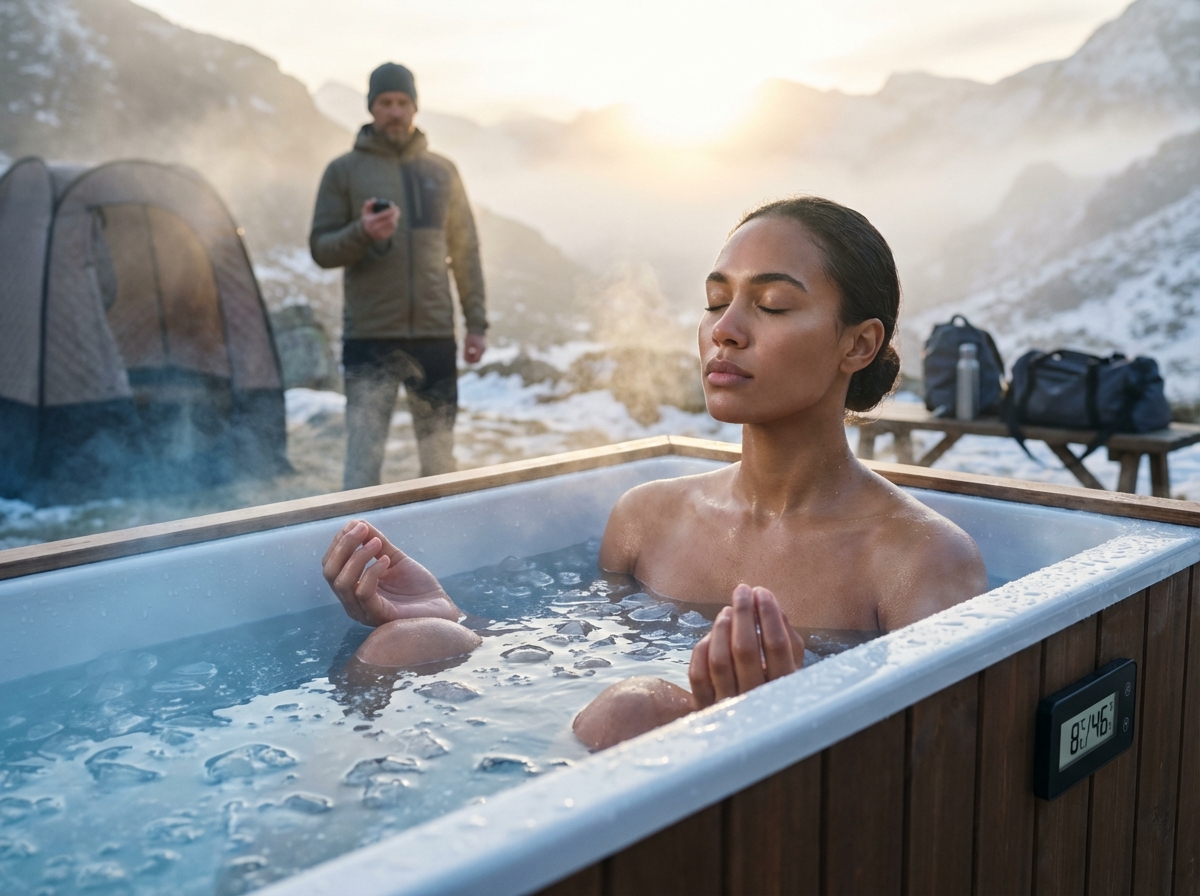
Explore how the Wim Hof Method and strategic ice baths combine to boost recovery, resilience, and performance. This article explains physiological mechanisms, evidence, precise temperature and timing recommendations, sport-specific protocols, safety and contraindications, and practical step-by-step routines to apply cold therapy effectively. Whether you’re a runner, strength athlete, or coach, learn safe, evidence-informed practices to optimize training and recovery.
Why cold exposure enhances performance
The physiological shift that occurs when you enter cold water is immediate and profound. It starts with a process known as vasoconstriction. The blood vessels near the surface of your skin and in your limbs tighten up to pull blood toward your internal organs. This is a survival mechanism designed to keep your core temperature stable. Once you leave the water and begin to warm up, your body undergoes reactive vasodilation. The vessels open wide and blood rushes back to the extremities. This cycle acts like a pump for your circulatory system. It helps move metabolic waste products out of muscle tissue and brings in fresh oxygenated blood. Many athletes find this process essential for feeling refreshed after high-intensity training sessions.
Inflammation and Cytokine Signaling
Research indicates that cold water immersion significantly alters the inflammatory landscape of the body. A systematic review published in PLOS One highlighted that cold exposure has time-dependent effects on inflammation. While there is an immediate spike in certain inflammatory markers for about an hour after the plunge, this is followed by a meaningful reduction in systemic stress. The cold suppresses the signaling of pro-inflammatory cytokines. This helps manage the swelling and tissue breakdown that follows heavy exercise. By dampening this response, athletes can often return to training sooner without the lingering heaviness associated with high levels of systemic inflammation.
The Role of Norepinephrine and Analgesia
One of the most powerful chemical changes during cold exposure is the release of norepinephrine. This chemical serves as both a hormone and a neurotransmitter. When you hit the cold water, your levels of norepinephrine can increase by 200 to 300 percent. This surge is responsible for the intense focus and the numbing effect known as analgesia. It provides immediate relief from joint and muscle pain. Studies involving fMRI scans on Wim Hof showed that this practice activates the periaqueductal gray area of the brain. This region is a key center for pain suppression and self-reflection. The effect can last for several hours after the session ends, providing a window of reduced pain that allows for better movement and improved mood.
Parasympathetic Rebound and Heart Rate Variability
The initial shock of the ice bath is a sympathetic nervous system event—a fight or flight response. However, the real benefit occurs once you settle into the water or step out. Your body transitions into a parasympathetic state, often called the “rest and digest” mode. This rebound effect is visible in improved heart rate variability (HRV). A higher HRV is a strong indicator of a recovered nervous system. By regularly exposing yourself to the stress of the cold, you train your body to switch back to a calm state more efficiently. This improved autonomic flexibility is a hallmark of elite athletic performance and mental resilience.
Metabolic Effects and Brown Fat Activation
Cold exposure also impacts your metabolism through the activation of brown adipose tissue, commonly called brown fat. Unlike white fat, brown fat contains a high density of mitochondria and burns energy to produce heat. Regular ice baths can increase your metabolic rate by roughly 15 to 20 percent during and after the session. To see changes in brown fat levels, consistent exposure to temperatures below 15 degrees Celsius is necessary. There is also emerging evidence regarding mitochondrial signaling; the stress of the cold may stimulate the production of new mitochondria, leading to better energy production at a cellular level over time. You can read more about these mechanisms in the Discover The Science Behind The Wim Hof Method documentation which explores ongoing research into these cellular shifts.
Evidence, Tradeoffs, and Sleep
The scientific literature provides a clear picture of where cold exposure excels and where it might be counterproductive. The evidence is very strong for the reduction of Delayed Onset Muscle Soreness (DOMS). It is also highly effective for perceived recovery and acute pain management. However, there is a known tradeoff for those focused purely on muscle growth. Cold water immersion can blunt the anabolic signaling pathways that lead to hypertrophy. If your goal is to build as much muscle mass as possible, it is wise to delay your ice bath by at least 4 to 24 hours after your strength workout. Additionally, while cold therapy improves sleep quality by lowering core temperature, it cannot replace sleep. It is not a substitute for the 7 to 9 hours of rest athletes need to repair tissue.
Population Differences and Gaps
There is a notable difference in how elite athletes and recreational users should approach the cold. Elite performers often use temperatures between 4 and 10 degrees Celsius for up to 15 minutes. Recreational users usually see great results at 10 to 15 degrees Celsius for 6 to 10 minutes. Age is another factor; older athletes often find cold therapy helpful for managing chronic joint inflammation, while teenagers can use it to recover from high training volumes, provided they follow a gradual progression. Current literature still has gaps, particularly regarding long-term effects on different genders. A Effects of cold-water immersion on health and wellbeing study noted that many trials have small sample sizes. More research is needed to understand the exact dose-response for different body compositions.
Understanding the Wim Hof Method and its role in cold therapy
The Wim Hof Method rests on three specific pillars: breathing exercises, graduated cold exposure, and mindset commitment. Each part supports the others to help the body handle extreme stress. The breathing prepares the nervous system, the cold provides the physical challenge, and the mindset ensures you stay present during the process. This combination creates a physiological state that is different from using cold water alone.
The Breathing Technique Step by Step
The breathing practice follows a specific rhythm that you should always perform in a safe, seated, or lying position. **Never practice this in water or while driving.**
Preparation
Find a comfortable place to sit or lie down. Ensure you can expand your chest and belly without restriction.
The Power Breaths
Take 30 to 40 deep breaths. Inhale fully through the nose or mouth to fill your lungs. Exhale unforced by simply letting the air go. Do not empty the lungs completely. This should feel like a wave where the inhale is active and the exhale is passive.
The Retention Phase
After the last exhale, stop breathing. Hold your breath for as long as it feels comfortable. Do not force this hold. Relax your body and focus on the sensations in your limbs or the beat of your heart.
The Recovery Breath
When you feel the urge to breathe, take one deep breath in. Hold this breath for 15 seconds. This is the recovery breath. It restores oxygen levels to the brain and tissues. Repeat this entire cycle for three to four rounds.
Physiological Effects of the Breathing
This breathing pattern changes your blood chemistry in several ways. It causes respiratory alkalosis by blowing off carbon dioxide, causing blood pH levels to rise. This shift can cause temporary tingling in the fingers or a lightheaded feeling. It also triggers a significant release of adrenaline. This sympathetic nervous system activation prepares the body for the cold. Research shows this spike in adrenaline can suppress the innate immune response, leading to higher levels of anti-inflammatory mediators.
The breathing also impacts the brain. Scans show activation in the periaqueductal gray area, a region associated with pain suppression and well-being. By activating this area before you enter an ice bath, you effectively pre-medicate your body against the shock of the cold.
Synergy with Ice Baths
Using these breathing techniques before an ice bath creates a synergistic effect. It improves your cold tolerance by priming the nervous system. The breathing helps you maintain mental control when you hit the water, reducing the initial gasp reflex. This allows for a calmer entry and helps you focus on recovery goals.
The combination of WHM breathing and cold exposure has been shown to influence the central nervous system. Data suggests that practitioners can maintain their core temperature better than those who do not use the method. In one study, a practitioner stayed in ice for 75 minutes; his core temperature dropped but then recovered quickly within 20 minutes, demonstrating the power of the brain over peripheral mechanisms.
Current Evidence and Research
The science behind the Wim Hof Method continues to grow. Peer-reviewed studies support many of these claims. A systematic review in PLOS One suggests that cold water immersion delivers time-dependent effects on inflammation and stress. A 2024 randomized trial involving women with high stress levels showed that a three-week intervention of breathing and cold exposure significantly reduced depressive symptoms.
| Study Focus | Key Finding | Year |
|---|---|---|
| Anti-inflammatory response | Voluntary activation of the sympathetic nervous system | 2014 |
| Mental Health | Reduction in depressive symptoms in women | 2024 |
| Pain Perception | Significant reduction in pain for at least 4 hours | 2023 |
| Immune Function | 29% drop in sickness absence with cold showers | 2016 |
Safety and Contraindications
A common misconception is that you should do the breathing while inside the water. **This is dangerous.** You should always practice the breathing in a safe environment like a sofa or bed. Never do it in or near water where you could drown if you faint (shallow water blackout).
Contraindications
The Wim Hof Method is not for everyone. You should avoid it if you have cardiovascular disease or are pregnant. It is also not suitable for those with epilepsy or uncontrolled hypertension. Always consult a doctor if you have pre-existing conditions.
Red Flags
Stop the practice immediately if you experience any of these symptoms:
- Chest pain or pressure
- Extreme dizziness that does not fade
- Loss of consciousness
- Shivering that lasts more than 30 minutes after the session
- Numbness in limbs that persists for more than 5 minutes
Integrate the breathing before your ice bath to reduce anxiety. Novices should avoid long breath holds immediately before getting into the water to prevent blackout risks. Focus on calm, steady breaths as you transition from the exercise to the tub. This ensures you get the most out of the anti-inflammatory signaling while staying safe.
Science-driven ice bath protocols: temperatures, durations, and contrast therapy
The effectiveness of cold water immersion depends on the specific thermal dose, which is a combination of temperature and duration. For those starting out, acclimation showers between 15 to 20 degrees Celsius (59 to 68 degrees Fahrenheit) provide a manageable entry point. This range initiates the cold shock response without overwhelming the central nervous system, helping the body learn to manage the initial gasp reflex and the urge to exit the water immediately.
Standard recovery for most athletes happens between 10 to 15 degrees Celsius (50 to 59 degrees Fahrenheit). This range is effective for reducing delayed onset muscle soreness by narrowing the blood vessels (vasoconstriction). It limits the accumulation of inflammatory markers in the muscle tissue. A systematic review published in 2024 confirms that these temperatures have time-dependent effects on inflammation and stress levels. The cold reduces the metabolic activity of the tissue, which prevents secondary damage after intense training.
Elite athletes or those with significant experience might use deep recovery ranges from 4 to 10 degrees Celsius (39 to 50 degrees Fahrenheit). These temperatures require strict focus and trigger a more intense release of norepinephrine. This chemical acts as both a hormone and a neurotransmitter, providing a powerful analgesic effect and mental clarity. The extreme cold forces the body to activate brown adipose tissue for thermogenesis, which can improve metabolic health over time.
Recommended Temperature and Duration Protocols
| Protocol Type | Celsius Range | Fahrenheit Range | Target Duration |
|---|---|---|---|
| Acclimation | 15 to 20°C | 59 to 68°F | 2 to 5 minutes |
| Standard Recovery | 10 to 15°C | 50 to 59°F | 6 to 10 minutes |
| Elite Exposure | 4 to 10°C | 39 to 50°F | 10 to 15 minutes |
Duration is just as important as temperature. Beginners should stay in the water for 1 to 3 minutes—enough time to move past the initial panic and settle into a steady breathing pattern. Typical recovery sessions for regular practitioners last 6 to 10 minutes. Staying in longer than 15 minutes is generally unnecessary for recovery and may increase the risk of hypothermia or nerve irritation. Elite exposures up to 15 minutes must always have medical oversight to monitor core temperature drops.
Contrast therapy offers a different physiological benefit by cycling between hot and cold water. The standard protocol uses 3 to 5 minutes in a warm bath at 38 to 40 degrees Celsius followed by 1 to 3 minutes in the cold. You should repeat this cycle 3 to 5 times. This creates a vascular pump; the heat expands the vessels while the cold constricts them. This movement helps move metabolic waste out of the muscles. Contrast therapy is often better than continuous cold when the goal is general circulation and reducing stiffness rather than just suppressing inflammation.
Timing is a critical factor for strength training. If the goal is muscle hypertrophy, immediate cold immersion can be counterproductive. The cold suppresses the natural inflammatory response needed for muscle growth, blunting anabolic signaling pathways like p70S6K. Athletes should delay their cold exposure by 3 to 24 hours after a heavy lifting session to allow the body to start the repair process naturally. For endurance athletes, immediate immersion is often better to manage high core temperature and acute soreness from long sessions.
Accurate measurement is necessary for safety and consistency. Do not rely on the temperature setting of a chiller alone. Use a high-quality digital probe or a dedicated water thermometer placed in the middle of the water column. Moving water feels colder than still water because it breaks the thermal layer around the skin. If you use a home tub without a pump, you might need to move your limbs slightly to keep the water from warming up around you. Environmental factors like humidity and air temperature also play a role. In a facility setting, maintain water filtration and chemical balance (chlorine or bromine at 1 to 3 ppm). At home, change the water frequently or use a UV filtration system.
Sport specific routines: sample protocols and periodization
Translating cold therapy science into a daily routine requires a clear understanding of your specific athletic goals. A runner training for a marathon has different needs than a powerlifter trying to pack on muscle. The timing and temperature of your ice bath can either boost your progress or accidentally slow it down. We need to look at how to apply these protocols across different sports and training phases to get the best results.
Endurance Athletes: Runners and Cyclists
For those focused on aerobic capacity and long distances, the primary goal is managing the high volume of repetitive stress. Cold water immersion helps by reducing delayed onset muscle soreness and clearing metabolic byproducts. This allows for a higher quality of training in subsequent sessions.
Objective
Reduce muscle soreness and improve next-day readiness during high-mileage weeks.
Protocol
Preferred temperature is 12°C (54°F) for a duration of 8 to 10 minutes. Timing should be immediate, ideally within 30 minutes of finishing a hard interval session or a long endurance effort.
Weekly Sample
Monday: Post-interval session ice bath for 8 minutes.
Wednesday: Post-tempo run ice bath for 8 minutes.
Saturday: Post-long ride or run ice bath for 10 minutes.
Recovery Days: No cold exposure to allow for natural blood flow and active recovery.
Team Sport Athletes: Soccer and Basketball
Team sports involve a mix of high-intensity sprinting, jumping, and physical contact. The focus here is on central nervous system recovery and controlling acute inflammation from impact. Rapid recovery is essential during tournament play or busy season schedules.
Objective
Speed up recovery between games and maintain explosive power throughout a microcycle.
Protocol
Preferred temperature is 10°C (50°F) for 6 minutes. Timing can be immediate post-match or delayed by 4 hours if the schedule is tight. For back-to-back events, use a 5-minute dip at 10°C followed by compression garments.
Weekly Sample
Tuesday: Post-heavy practice ice bath for 6 minutes.
Friday: Pre-game “wake up” dip at 14°C for 3 minutes to sharpen the nervous system.
Saturday: Post-game recovery bath for 6 minutes at 10°C.
Strength and Hypertrophy: Powerlifting and Bodybuilding
This group must be the most cautious with cold exposure. Research suggests that immediate cold immersion can blunt the anabolic signaling pathways responsible for muscle growth. We want to keep the inflammation long enough to trigger adaptation but use cold to manage joint pain or systemic fatigue when necessary.
Objective
Manage systemic fatigue and joint inflammation without sacrificing muscle protein synthesis.
Protocol
Preferred temperature is 15°C (59°F) for 5 minutes. Timing must be delayed by at least 24 hours after a heavy hypertrophy session. Use cold only on full rest days or during deload weeks.
Weekly Sample
Thursday: Active recovery day dip for 5 minutes at 15°C.
Sunday: Full rest day dip for 5 minutes at 15°C.
Training Days: Avoid cold immersion entirely to maximize the growth response.
Periodization and Mesocycle Strategy
You should not use the same cold protocol every week of the year. During a high-volume base phase or a building block, you should prioritize adaptation. This means using less cold exposure. You want your body to struggle and adapt to the stress of training. As you move into a peaking or taper phase before a competition, you shift the priority to acute recovery. During a taper, you might increase ice bath frequency to daily sessions. This helps shed residual fatigue so you feel fresh on race day.
| Phase | Priority | Frequency | Goal |
|---|---|---|---|
| Building Phase | Adaptation | 1-2x per week | Force the body to get stronger |
| Peaking/Taper | Recovery | 4-5x per week | Maximize freshness and speed |
| Competition | Performance | Daily | Rapidly clear fatigue between events |
Travel and Rapid Recovery Case Studies
A soccer player named Marcus has a tournament with three games in five days. To stay sharp, he uses a portable tub or a hotel bathtub filled with ice. He maintains 10°C for 6 minutes after every game. He pairs this with 30 grams of protein and 8 hours of sleep. This strategy helps him maintain his sprint speed in the final match. In contrast, a marathoner named Sarah uses cold only after her longest runs during her peak 80-mile week. When she travels for her race, she uses a 14°C dip for 4 minutes the night before to help with travel-induced leg swelling and improve her sleep quality. Recent data on the Effects of cold-water immersion on health and wellbeing shows that these time-dependent effects on stress and inflammation are key for such high-stakes scenarios.
Pairing cold with other modalities is a smart move. Always follow a plunge with a high-protein meal to support muscle repair. If you use compression boots, wait until your skin temperature has returned to normal before putting them on. This ensures you do not trap the cold against your skin for too long. Sleep remains the most important recovery tool. Use the cold bath to lower your core temperature in the evening, which can lead to deeper and more restorative rest.
Safety progression and practical tips for safe adaptation
Starting a cold exposure practice requires a patient approach to avoid overwhelming the nervous system. You should begin with an acclimation phase that moves from mild stimulus to intense cold over several weeks. This gradual exposure allows your vascular system to adapt without triggering a dangerous shock response. Research suggests that effects of cold-water immersion on health and wellbeing are time-dependent. This means consistency matters more than immediate intensity.
The Eight Week Progression Plan
This schedule helps you transition from your bathroom shower to a dedicated ice bath. You should aim for three to five sessions per week to see real changes in your cold tolerance.
| Phase | Weeks | Method | Temperature | Duration |
|---|---|---|---|---|
| Acclimation | 1 to 2 | Cold Showers | 60 to 68°F (15 to 20°C) | 30 to 120 seconds |
| Partial Immersion | 3 to 4 | Waist Deep Tub | 55 to 60°F (13 to 15°C) | 2 to 4 minutes |
| Full Immersion | 5 to 6 | Shoulder Deep Tub | 50 to 55°F (10 to 13°C) | 5 to 8 minutes |
| Advanced Cold | 7 to 8 | Ice Bath | 40 to 50°F (4 to 10°C) | 10 minutes |
Objective Safety Monitoring
You need to track how your body reacts during and after the session. Use a waterproof heart rate monitor to ensure your pulse stays within a controlled range. A sharp spike in heart rate is normal at first. It should settle as you focus on your breath. You can use a subjective scale of 1 to 10 to rate your discomfort. If you reach an 8 or 9, you should exit the water. Pay attention to your thermal comfort levels. Feeling a slight sting is fine. Feeling sharp pain is a signal to stop. Discover the science behind the Wim Hof Method to understand how your brain suppresses pain through the periaqueductal gray area.
Adverse Responses and Red Flags
You must watch for signs that your body is struggling to regulate its temperature. If you experience disorientation or confusion, get out immediately. Chest pain or a feeling of heavy pressure is a serious warning sign. While some shivering is expected, prolonged shivering that lasts more than 30 minutes after you have dried off indicates you stayed in too long. Numbness in the extremities that does not resolve within minutes of warming up is another concern. You should seek medical help if your skin remains blue or if you feel extremely lethargic after the session.
Contraindications and Special Populations
Cold immersion is not for everyone. People with cardiac disease or uncontrolled hypertension should avoid ice baths because the cold shock response puts significant stress on the heart. If you have diabetes or peripheral vascular disease, your ability to feel temperature changes might be impaired, increasing the risk of tissue damage. Pregnancy is a contraindication due to the lack of safety data on fetal response to extreme cold. Those with Raynaud’s disease may experience severe pain and vasospasms. Always consult a doctor if you have any underlying health conditions.
Equipment and Logistics
You need a reliable digital probe thermometer to get an accurate water reading. Floating pool thermometers often fail at low temperatures. If you use a stock tank or an insulated tub, consider adding a small circulation pump. Moving water feels colder because it breaks the thermal layer around your skin. For hygiene, maintain a chlorine level of 1 to 3 ppm. You should change the water frequently if you do not have a filtration system. When sourcing ice, ensure it is clean. You can use frozen water bottles to save money and reduce waste.
Combining Breathing with Immersion
You should perform Wim Hof breathing exercises before you enter the water. This prepares your nervous system and increases your blood pH. **Never practice breath retention while you are actually in the water.** This can lead to passing out and drowning. For your first few sessions, you should have someone nearby to supervise you. This is especially important when using extreme temperatures or if you are trying a new protocol. Group workshops are a great way to learn the technique safely under professional guidance.
Post Immersion Warmup
Your recovery starts the moment you leave the tub. Dry off quickly and put on warm layers. You can take a lukewarm shower, but avoid hot water immediately. Hot water can cause a rapid drop in blood pressure as your vessels dilate too fast. Light movement like air squats or walking helps generate internal heat. This encourages the blood to flow back to your extremities naturally. Have an emergency plan that includes a warm space and a phone nearby in case you show signs of mild hypothermia. Consistency and safety will lead to the best performance gains over time.
Conclusions: actionable takeaways and next steps
Combining the Wim Hof Method and ice baths creates a powerful tool for physical and mental readiness. The breathing exercises trigger a sympathetic response and release adrenaline, helping the body handle the initial shock of the water. Once you are in the cold, the physiological shift moves toward inflammation control and pain suppression. Research shows that this combination can reduce pain perception for up to four hours, manage stress levels, and improve sleep quality over time. The breathing creates a state of respiratory alkalosis; this shift in blood pH makes the body less sensitive to the pain of the cold. When you enter the ice bath, the cold causes blood vessels to constrict, moving blood toward the core. After you exit, the vessels dilate. This flushing action helps remove metabolic waste from the muscles. Studies suggest that cold water immersion can reduce sickness absence by 29 percent when practiced consistently. It activates brown adipose tissue which helps with thermoregulation and metabolism.
Stick to the established ranges for safety and effectiveness. For standard recovery, keep the water between 10 and 15 degrees Celsius. Aim for 6 to 10 minutes. If you are an elite athlete with medical supervision, you might drop to 4 to 10 degrees for up to 15 minutes. Beginners should start with cool showers at 15 to 20 degrees for just 2 minutes. Never rush the process. Safety is the most important part of any protocol. People with heart conditions or high blood pressure must avoid these practices. It is not safe for pregnant women or individuals with epilepsy. Watch for warning signs like chest pain or extreme shivering that lasts more than 30 minutes. If you feel disoriented, get out immediately. You can read more about the Effects of cold-water immersion on health and wellbeing to see how these factors impact long term recovery.
Implementation Checklist
Medical Clearance
Consult a doctor to ensure your heart and vascular system can handle the stress of cold shock.
Baseline Testing
Record your resting heart rate and heart rate variability for one week before starting.
Gradual Progression
Start with thirty seconds of cold water at the end of a warm shower before moving to a full bath.
Temperature Measurement
Use a digital probe thermometer to verify the water temperature is within the safe 10 to 15 degree range.
Tracking System
Keep a log of your immersion time, water temperature, and how you feel the next morning.
Sample Starter Protocols
Recreational Athlete Protocol
Perform three rounds of breathing before a bath. Set the water to 14 degrees Celsius. Stay for 6 minutes. Do this three times per week after your hardest workouts. This frequency helps with recovery without blunting long term adaptations.
Competitive Athlete Protocol
Use the breathing to calm the nervous system before immersion. Set the water to 10 degrees Celsius. Stay for 10 minutes. Use this four times per week during high volume phases. Delay the bath by 24 hours if your goal is pure muscle growth to avoid interfering with anabolic signaling.
Coach and Team Protocol
Set up communal baths at 12 degrees Celsius. Athletes enter for 6 to 8 minutes after matches. Monitor each player for signs of overexposure. Use contrast therapy with 3 minutes of heat and 1 minute of cold for five cycles if the goal is general circulation and reducing perceived fatigue.
Monitoring and Professional Guidance
Track your progress to see what works for your specific body type. Use a wearable device to monitor heart rate variability and sleep quality. Keep a simple scale for muscle soreness from one to ten. If your performance drops or you feel chronic fatigue, stop the protocol. Consult a sports medicine professional if you experience persistent numbness or joint pain. They can help adjust the timing to fit your specific training cycle. You can Discover The Science Behind The Wim Hof Method to understand the research on inflammation and immunity. Consistent monitoring ensures that the cold remains a tool for growth rather than a source of unnecessary stress.
| Metric to Track | Ideal Outcome | When to Measure |
|---|---|---|
| Heart Rate Variability | Stable or increasing trend | Every morning upon waking |
| Sleep Duration | Increase in deep sleep phases | Nightly via wearable |
| Muscle Soreness | Lower scores 24 hours post-training | Daily using a 1-10 scale |
| Training Performance | Maintaining power and speed output | During scheduled sessions |
Sources
- Discover The Science Behind The Wim Hof Method — Discover the science behind the Wim Hof Method and read about the ongoing research to continuously explore the potential of the Wim Hof Method. Learn more.
- Effects of cold-water immersion on health and wellbeing — This systematic review suggests that CWI delivers time-dependent effects on inflammation, stress, immunity, sleep quality, and quality of life.
- Protocol for a systematic review and meta-analysis on the effects of … — • Ice baths, cold showers, … A randomized controlled clinical trial of a Wim Hof Method intervention in women with high depressive symptoms.
- Cold Plunges May Temporarily Reduce Stress, Improve Sleep — New research suggests yes, with possible benefits ranging from lower stress to improved sleep and quality of life.
- Cold Water Immersion: What to Know about This Popular Trend — A new study reviewed the effects of cold water immersion (CWI). The study found that CWI reduces inflammation and stress for a short time; …
Legal Disclaimers & Brand Notices
The content provided in this article is for informational purposes only and does not constitute professional medical advice, diagnosis, or treatment. Always seek the advice of your physician or another qualified health provider with any questions you may have regarding a medical condition or the safety of specific physical practices, including cold water immersion and specialized breathing exercises.
All product names, logos, and brands are the property of their respective owners. All company, product, and service names used in this article are for identification purposes only. Use of these names, trademarks, and brands does not imply endorsement.