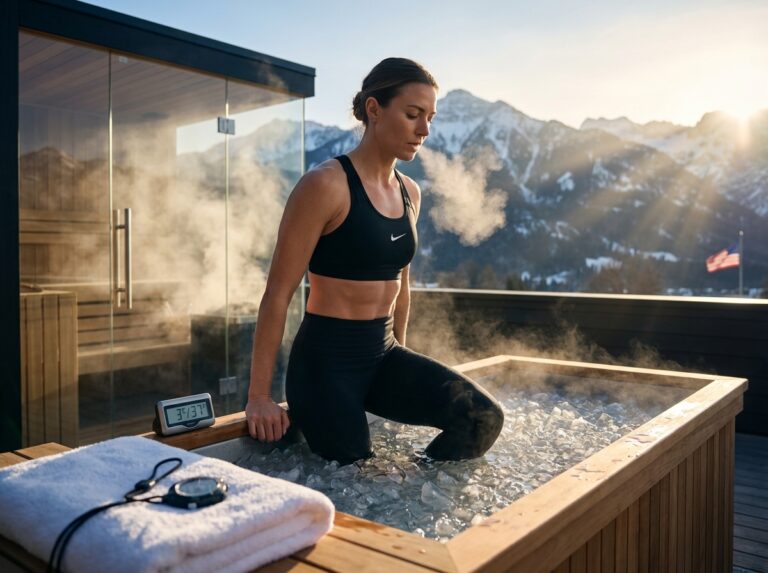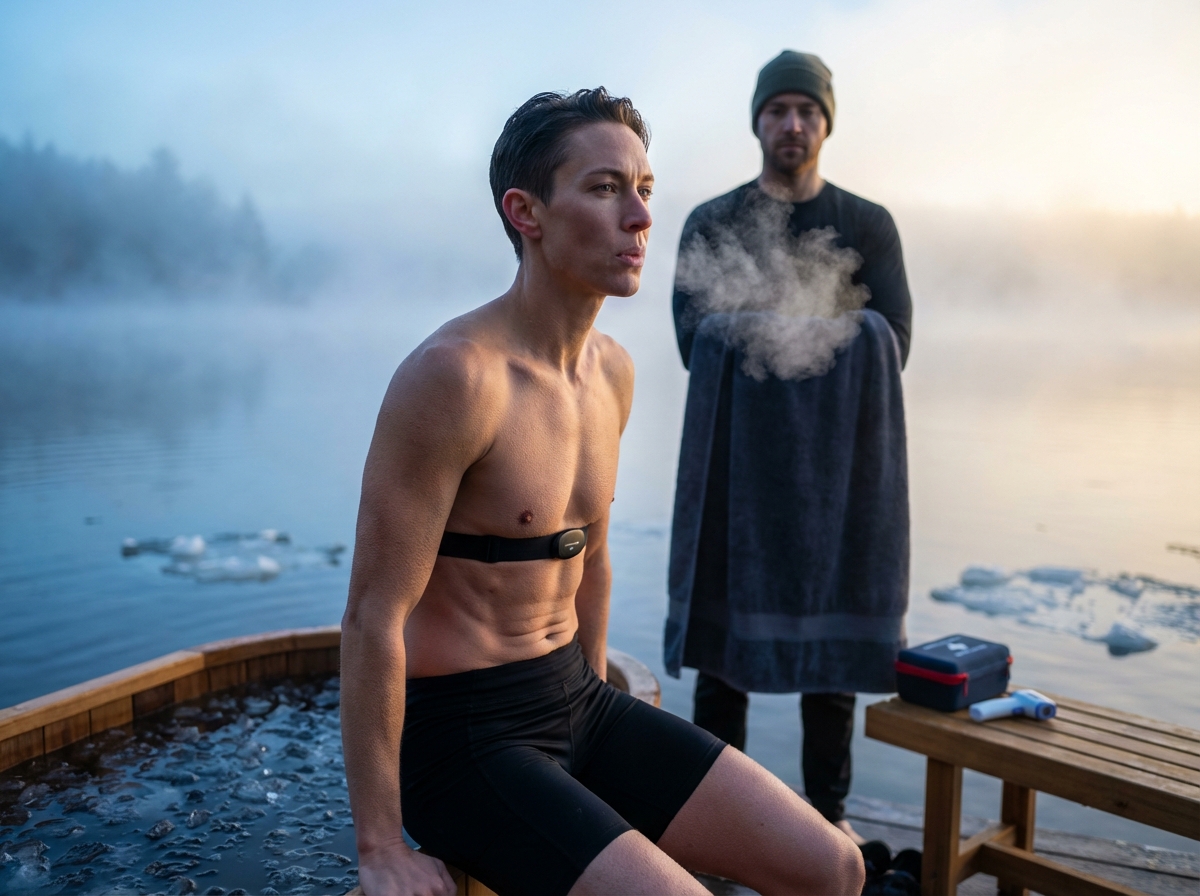
This guide explains how to combine the Wim Hof Method breathing with ice baths, cold plunges and cryotherapy to boost recovery, resilience, and performance. You’ll learn the science behind breathwork and cold exposure, step-by-step breathing and cold protocols, sport-specific routines, safety checks, contrast therapy guidelines, and practical programming to optimize training outcomes across endurance, strength, and team sports.
Why breathing and cold work together to improve performance
The combination of rhythmic breathing and cold immersion creates a specific internal environment. When you perform the controlled hyperventilation, you trigger a massive release of epinephrine. This is the sympathetic nervous system taking the lead. Research shows that this surge happens even before you touch the water, preparing the body for the thermal shock.
Once you enter the ice bath, the cold causes immediate vasoconstriction. Your blood vessels tighten to keep heat in the core. The breathing helps manage the gasp reflex, keeping the mind calm while the body is in a high-stress state. After you leave the water, vasodilation occurs. Blood rushes back to the extremities. This process acts like a pump for the vascular system.
Studies through 2025 confirm that this duo modulates the immune system. The 2014 Radboud study was the foundation, but newer trials at ClinicalTrials.gov show how 15 days of practice changes cardiovascular responses. We see a shift in cytokines: pro-inflammatory markers like TNF-alpha go down, while anti-inflammatory markers like IL-10 go up. This is why athletes feel less soreness.
The Sympathetic Surge and Parasympathetic Rebound
Autonomic Balance
The breathing technique is a deliberate stressor. It forces the body into a sympathetic state. Adrenaline levels spike higher than those seen in people during their first bungee jump. This isn’t just about stress; it is about training the body to stay functional under pressure. Once the session ends, a deep parasympathetic rebound occurs. This shift helps lower the heart rate and promotes a state of deep rest that is essential for recovery.
Catecholamine and Cortisol Response
The surge in catecholamines like norepinephrine helps with focus and blunts pain. Cortisol levels rise initially but then drop quickly. This temporary spike is different from chronic stress; it acts as a reset for the endocrine system. Athletes use this to manage the mental fatigue that comes with heavy training blocks.
Inflammation and Pain Perception
Cytokine Modulation
The most significant evidence for the Wim Hof Method lies in its effect on inflammation. By influencing the innate immune system, practitioners can suppress the overproduction of proteins that cause swelling. This is particularly useful after high-impact sports, allowing for a faster return to training without the lingering “heavy” feeling in the muscles.
Pain Management
The Wayne State University study used fMRI to show that the method activates the periaqueductal gray. This is the brain’s primary center for pain suppression. It releases endogenous opioids and cannabinoids, explaining why the ice feels less painful after a few rounds of breathing. It changes the brain’s top-down interpretation of the cold stimulus.
Metabolic and Vascular Effects
- Brown Adipose Tissue (BAT) Activation. Cold exposure is the primary trigger for brown fat. Unlike white fat, BAT burns glucose and fatty acids to produce heat. This thermogenesis increases the basal metabolic rate.
- Vascular Gymnastics. The constant cycle of constriction and dilation strengthens the smooth muscles in the vessel walls. This improves overall circulation and the efficient delivery of oxygen to tissues.
- Short-term Metabolic Shifts. The breathing causes respiratory alkalosis. The blood pH rises temporarily. This can affect how the body handles lactate during subsequent exercise.
Evidence and Practical Takeaways
Strong Evidence
There is robust data supporting the method for perceived wellness and acute inflammation. Athletes consistently report better sleep and less subjective soreness. The reduction in markers like C-reactive protein is well documented in clinical settings. If your goal is to feel better after a grueling session, the evidence is on your side.
Mixed or Speculative Evidence
The impact on long-term hypertrophy is a point of debate. Some studies suggest that cold immersion immediately after lifting can blunt the signaling pathways for muscle growth. If you are in a pure mass-building phase, you should delay the ice bath by four to six hours. Endurance gains are also mixed. While the Frontiers in Sports study showed no immediate sprint improvement, the long-term adaptation to stress remains a valuable asset for marathoners and triathletes.
Monitoring Your Progress
Physiological Markers
To adjust your program, watch your Heart Rate Variability (HRV). A steady increase in your morning HRV usually indicates better adaptation. If your resting heart rate stays elevated, you may be overdoing the cold. Monitor your core temperature if you are staying in the ice for more than ten minutes. The goal is a controlled dip, not hypothermia. Use a simple scale for perceived soreness to track if the timing of your sessions is actually helping your recovery.
Mastering the Wim Hof breathing technique safely
The breathing technique requires a specific environment. You must be in a place where you can fully relax, such as sitting or lying down on a sofa or a yoga mat. Never practice this while driving a car, in a swimming pool, or near any body of water. The technique involves temporary loss of consciousness in some cases; doing this in water leads to drowning.
The Breathing Cycle Protocol
The cycle starts with 30 to 40 deep breaths. You inhale deeply through the nose or mouth, feeling the breath fill your belly and chest. You exhale naturally without pushing the air out, creating a wave-like motion. This process lowers carbon dioxide levels in your blood, a state known as hypocapnia. You might feel lightheaded or notice tingling in your fingers; these are normal signs of the physiological shift. After the final exhale of the round, stop breathing and hold with empty lungs. This is the retention phase. Stay in this stillness until you feel a strong urge to breathe. When the urge arrives, take one deep breath in and hold for 15 seconds. This is the recovery breath, which restores oxygen levels to the brain and tissues.
Session Structure and Levels
The number of rounds and hold times depend on your experience level. Beginners should start slowly to let the nervous system adapt.
| Level | Rounds | Breaths per Round | Retention Time |
|---|---|---|---|
| Beginner | 3 | 30 | 60 to 90 seconds |
| Intermediate | 4 | 35 | 90 to 150 seconds |
| Advanced | 5 to 6 | 40 | 150 plus seconds |
Safety Rules and Medical Contraindications
Safety is the priority. People with epilepsy or heart disease should avoid this method. Pregnant individuals should not perform the breath holds, as the intense pressure and oxygen shifts are not suitable for a developing fetus. Older adults should move slowly and avoid forcing the breath. If you have a chronic respiratory condition, talk to your doctor first. Avoid prolonged forced exhalation, which can cause unnecessary strain on the lungs and heart. If you feel sharp pain or lose control of your muscles, stop immediately. Recover by breathing normally through your nose.
Recognizing Physiological Cues
During the breathing, you will encounter specific sensations. Dizziness is common due to the rapid exchange of gases. Paresthesia, which feels like pins and needles in the limbs, happens as blood pH changes. You might also hear a faint ringing in your ears (tinnitus). These are signs of over-breathing. If these sensations become overwhelming, slow down the pace. The goal is controlled stress, not panic. To recover, return to a natural breathing rhythm and focus on the feeling of the floor or chair beneath you.
Progression and Benchmarks
A structured plan ensures long-term success. You can track your progress over 4 to 12 weeks using measurable data, including breath hold times and heart rate variability (HRV) trends.
- Weeks 1 to 4: Perform 3 rounds daily. Focus on the quality of the inhale. Do not worry about the clock. Aim for subjective calmness after the session.
- Weeks 5 to 8: Move to 4 rounds. Start tracking your retention times. Use a stopwatch to note your limits without forcing the hold.
- Weeks 9 to 12: Perform 5 rounds. Monitor HRV trends. A steady increase in baseline HRV suggests your body is integrating the stress of the method effectively.
The science shows these exercises reduce pain perception. This is useful for athletes preparing for cold exposure. A study on the Science Behind The Wim Hof Method confirms these effects last for a significant time. Another study found that while it might not improve immediate sprinting, the physiological effects are large. You can read more about the Acute Effects of the Wim Hof Breathing Method to understand the impact on performance. The method involves rapid breathing that lowers carbon dioxide levels, followed by breath holds that induce low oxygen. This is explained in detail by Dr. Kenzie Johnston regarding runners and athletes. For those starting out, the Wim Hof Breathing Technique – WebMD guide offers a solid foundation for safety and approach.
Cold exposure protocols for ice baths cold plunges and cryotherapy
Moving from the rhythmic breathing cycles into the cold requires a shift in focus. The breathing prepares your nervous system by inducing a brief controlled stress response. When you enter the water, your body naturally wants to gasp or panic. Using the calm state you achieved during the breathing session allows you to override this reflex. You should always perform the breathing exercises before you enter the water. Never practice the breathing while you are submerged.
Cold Shower Progression
The easiest way to start is with a cold shower. This method helps you build mental toughness without the logistical needs of an ice bath. Beginners should start with a standard warm shower. At the end, turn the water to a temperature between 10 and 20 degrees Celsius (50 and 68 degrees Fahrenheit). Stay under the stream for 30 seconds. Focus on keeping your exhale longer than your inhale. Over four weeks, you can increase this duration to 180 seconds. Intermediate users can skip the warm water entirely and start with a two-minute cold shower. Advanced users often find that three minutes of cold water at the lowest possible household temperature provides a solid daily maintenance dose.
Ice Bath and Cold Plunge Standards
Immersion in a tub or tank offers a different physiological experience than a shower. The water pressure helps move fluids from your limbs toward your core, reducing edema more effectively than air-based cryotherapy. For a standard cold plunge, aim for a temperature between 10 and 15 degrees Celsius (50 and 59 degrees Fahrenheit). Novice users should stay for three minutes. Intermediate users can stay for five to eight minutes. Advanced practitioners may stay for up to 12 minutes. If you choose to lower the temperature to a range of 4 to 10 degrees Celsius (39 to 50 degrees Fahrenheit), you must reduce the time. At these lower temperatures, two to five minutes is usually enough to trigger the desired metabolic response. The results showed that these practices can significantly alter pain perception and improve your ability to handle physical stress.
Whole Body Cryotherapy vs Immersion
Whole body cryotherapy (WBC) involves standing in a chamber filled with extremely cold air ranging from minus 110 to minus 140 degrees Celsius (minus 166 to minus 220 degrees Fahrenheit). A session lasts only 1.5 to 3 minutes. The main difference is the medium. Water is much more conductive than air. An ice bath cools the deep tissues and lowers the core temperature more effectively than WBC. Cryotherapy is often preferred by professional teams because it is fast, dry, and reduces systemic inflammation without making the muscles feel as heavy or stiff as a long soak in ice might. However, for deep recovery and a stronger vagus nerve stimulus, water immersion remains the gold standard.
| User Level | Method | Temperature (C/F) | Duration |
|---|---|---|---|
| Novice | Shower | 15 to 20 C / 59 to 68 F | 30 to 60 seconds |
| Intermediate | Plunge | 10 to 15 C / 50 to 59 F | 5 to 8 minutes |
| Advanced | Ice Bath | 4 to 10 C / 39 to 50 F | 2 to 5 minutes |
| Pro Athlete | WBC | -110 to -140 C / -166 to -220 F | 2 to 3 minutes |
Sport Specific Timing and Adaptation
The timing of your cold exposure can either help or hinder your progress. For endurance athletes like runners or swimmers, immediate cold immersion after a session is helpful to reduce muscle soreness and normalize heart rate. For strength and power athletes, cold water immersion right after lifting weights can blunt the hypertrophic response by suppressing the natural inflammation that signals muscles to grow. If your goal is muscle size, wait at least four to six hours after your workout before using the cold. Skill-based athletes can use the cold before a session to increase alertness. Research on sprinting suggests that while the physiological shift is large, a single session might not boost immediate anaerobic power; it is better used as a long-term recovery tool.
Sample Recovery Protocols
Post-Endurance Session: Submerge to the waist in 12°C water for 10 minutes. This helps clear metabolic byproducts and reduces the feeling of heavy legs.
Post-HIIT: Use a 10-minute plunge at 14°C to stabilize the central nervous system.
Post-Resistance Session: Wait until the next morning or at least 6 hours. Perform a three-minute plunge at 10°C. This provides anti-inflammatory benefits without interfering with the initial muscle-building signals. Always monitor how you feel; uncontrollable shivering indicates you have stayed in too long.
Contrast therapy and combining heat with cold for recovery
Contrast therapy uses the power of temperature shifts to create a vascular pump. When you enter hot water at 38 to 40 degrees Celsius (100 to 104 degrees Fahrenheit), your blood vessels expand (vasodilation). When you switch to cold water at 10 to 15 degrees Celsius (50 to 59 degrees Fahrenheit), those vessels constrict (vasoconstriction). This back-and-forth movement helps flush out metabolic waste and reduces swelling in tired muscles. This method is a staple for athletes who need to recover quickly between high-intensity sessions.
Designing the Contrast Cycle
A standard session involves alternating between heat and cold for several rounds. You should stay in the hot water for 3 to 4 minutes, followed by a cold plunge for 30 to 90 seconds. Repeat this cycle 3 to 6 times. The total session length usually falls between 20 and 30 minutes. Most practitioners prefer to end on the cold phase to reduce inflammation. However, ending on heat can be better if you need to stay mobile or if you are heading into a light technical practice. The science behind the Wim Hof Method suggests that controlled exposure to these stressors can improve autonomic control, making contrast therapy an excellent tool for nervous system regulation.
| Phase | Temperature (Celsius) | Temperature (Fahrenheit) | Duration |
|---|---|---|---|
| Hot Phase | 38 to 40°C | 100 to 104°F | 3 to 4 minutes |
| Cold Phase | 10 to 15°C | 50 to 59°F | 30 to 90 seconds |
| Total Cycles | 3 to 6 rounds | 3 to 6 rounds | 20 to 30 minutes total |
Physiological Effects and Perfusion
The repeated cycles of vasodilation and vasoconstriction act like a manual pump for the circulatory system. This process increases perfusion—the passage of fluid through the circulatory system to an organ or a tissue. Better perfusion means more oxygenated blood reaches the muscles and speeds up the clearance of metabolites like lactate. Contrast therapy is often more effective for clearing edema than passive rest, as the shifting pressure helps the lymphatic system move fluid away from injured or overworked areas.
Integrating Wim Hof Breathing
You should integrate Wim Hof breathing before you start the water cycles. Do not practice the deep breathing or the breath retention while you are in the water. Perform 3 to 4 rounds of the breathing exercises on dry land to prime your nervous system. The acute effects of the Wim Hof breathing method include physiological shifts that help you manage the initial shock of the cold. Once you are in the cold water, focus on long and calm exhales to stay in a parasympathetic state.
Contrast Therapy vs Single Modality Cold
Single modality cold immersion is excellent for numbing pain and shutting down acute inflammation. However, many athletes prefer contrast therapy for general recovery because it feels less punishing than a long ten-minute ice bath and provides the soothing benefits of heat. Research shows that contrast therapy is often superior for the perception of recovery; athletes report feeling more refreshed and less stiff compared to using cold alone. If the goal is purely to reduce swelling after a blunt force injury, cold immersion might be better. For daily training recovery, the contrast method is usually the favorite.
Timing for Competition and Training
Timing depends on your specific goals. If you are preparing for a competition, use a warm-focused contrast session and end on the hot phase to keep your muscles supple. For immediate post-workout recovery, the standard 3 to 6 cycles ending on cold is best to bring down core temperature. In multi-day tournament scenarios, contrast therapy is a lifesaver, helping clear waste products between matches without the extreme fatigue that sometimes follows long ice baths.
Practical Steps for Limited Resources
Traveling athletes often have to improvise. If you are in a hotel, use the bathtub for a cold soak and the shower for the hot phase. Fill the tub with cold water and ice from the hotel machine. Spend your 90 seconds in the tub, then stand under a hot shower for 4 minutes. If you only have a shower, simply alternate the temperature handle. It is not as effective as full immersion, but it still triggers the vascular response. Facility managers can set up simple stations using stock tanks and portable heaters.
Frequently Asked Questions about breathing cold and performance
Moving from the technical application of contrast therapy into daily practice often brings up a specific set of hurdles for athletes. This section addresses the most frequent questions that come up in the locker room and the training center, relying on current physiological data and practical coaching experience.
How fast can I expect to adapt to cold exposure?
Most people notice a significant shift in their cold tolerance within ten to fourteen days of consistent practice. This process is known as cold habituation. Your body becomes more efficient at maintaining its core temperature, the initial gasp reflex disappears, and your shivering threshold moves to a lower temperature. The practical takeaway is to stay consistent with a daily two-minute cold shower or a short plunge for at least two weeks before deciding if the method is working for you.
How cold should my plunge be for recovery versus adaptation?
The ideal temperature depends on your specific goal for the day. If you want to recover from a high-intensity session, keep the water between 50 and 59 degrees Fahrenheit. This range is cold enough to reduce swelling but not so cold that it creates a massive new stress on your nervous system. If your goal is metabolic adaptation or mental resilience, you can drop the temperature below 45 degrees Fahrenheit for shorter durations. Coaches often use the warmer range during heavy competition phases and the colder range during the off-season to build grit.
How often can I do ice baths without negative effects?
Using an ice bath three to four times a week is usually the limit for most people who are also training hard. Doing it every day might mask important signals from your body like overtraining or minor injuries. It is also possible to overtax your central nervous system with too much cold stress. Monitor your morning heart rate variability; if your scores are dropping despite regular cold use, take a break. The goal is balance, not chronic stress.
How to recognize cold urticaria or other adverse reactions?
Cold urticaria is essentially an allergy to the cold. It shows up as red itchy hives or welts on the skin shortly after exposure. If you notice this, get out of the water immediately and warm up. Some people also experience panniculitis, an inflammation of the fat layer under the skin. If you see hard or painful lumps after a plunge, you are likely staying in too long or the water is too cold for your current level of adaptation.
What to do if someone faints in an ice bath?
If someone loses consciousness, you must act quickly to get their head above water. Remove them from the tub immediately. Lay them flat on their back on the ground and elevate their legs to help blood flow return to the brain. Do not try to stand them up right away. Cover them with a dry towel and monitor their breathing. If they do not regain consciousness within a few seconds, call for emergency medical services. This is why you should always have a partner nearby when doing deep plunges.
How to combine cold exposure with travel and time zone changes?
Cold exposure is a powerful tool for resetting your circadian rhythm. When you land in a new time zone, taking a cold plunge or a cold shower in the morning can help signal to your brain that the day has started. The cold spikes your cortisol levels and increases alertness. Avoid doing a very cold plunge late at night in a new time zone because the spike in core temperature that follows the plunge might make it harder to fall asleep.
Designing sport specific programs and monitoring recovery
Endurance Athlete Protocol
Athletes focused on long-distance running, cycling, or swimming benefit most from systemic inflammation control. They should aim for 3 to 4 sessions per week with water temperature between 50 and 55 degrees Fahrenheit. Timing is most effective within 30 minutes of finishing a long run or a high-intensity interval session to clear metabolic waste and reduce pain perception. Morning Wim Hof breathing sessions on an empty stomach can improve respiratory efficiency before training.
Strength and Power Athlete Protocol
Hypertrophy is the primary goal for many strength athletes. Research suggests that cold water immersion can blunt anabolic signaling pathways like mTOR because the cold reduces the natural inflammatory response needed for muscle repair. To avoid this, strength athletes should schedule their cold exposure at least 4 to 6 hours after their lifting session. A better option is to perform the Wim Hof breathing and cold plunge in the morning before any training occurs. This sets the nervous system and provides a mental edge without interfering with muscle growth. Frequency should be limited to 1 or 2 times per week during heavy lifting phases.
Team Sport Athlete Protocol
Team sports like soccer or basketball often have congested schedules where recovery speed is the priority. Contrast therapy is very effective here. This involves alternating between a hot tub at 100°F and a cold plunge at 50°F. The ratio is usually 3 minutes of heat to 1 minute of cold, repeated 3 or 4 times. This creates a pumping action in the blood vessels and helps clear metabolic waste. High frequency is acceptable during the season, up to 5 times per week.
Monitoring Strategies and Metrics
Athletes must track their data to know if the method is working. Heart Rate Variability (HRV) is the most important metric. A high HRV means the body is recovered; a low HRV means the nervous system is stressed. If an athlete sees a 10 percent drop in their baseline HRV for two days, they should stop the cold exposure and focus on breathing and sleep instead. Resting heart rate is another good marker; if it rises by 5 beats per minute, it is a sign of overtraining. Subjective scores for muscle soreness and sleep quality should be recorded daily on a scale of 1 to 10.
Decision Tree for Pausing Exposure
There are times when the body needs rest more than cold stress. Pause all cold exposure if you feel the onset of a cold or fever. Travel across more than three time zones requires a 48-hour break to let the circadian rhythm adjust. During the week of a major competition, stop deep cold plunges to avoid excessive nervous system fatigue. If you feel unusual tingling or numbness that lasts more than 10 minutes after exiting the water, increase the temperature for the next session.
Sample 12 Week Progression
A 12-week block should start slowly to allow for adaptation.
| Phase | Weeks | Breathing Protocol | Cold Protocol |
|---|---|---|---|
| Foundation | 1 to 4 | 3 rounds every morning | 2 minute cold shower daily |
| Integration | 5 to 8 | 4 rounds 4x per week | 3 minutes at 55F 3x per week |
| Peak | 9 to 11 | 5 rounds 5x per week | 5 minutes at 50F 4x per week |
| Taper | 12 | 3 rounds 3x per week | 2 minutes at 55F 2x per week |
Equipment and Cost Considerations
Individual athletes can start with a simple stock tank from a farm supply store, costing about $100, though adding ice can get expensive over time. A dedicated cold plunge with a built-in chiller costs between $3,000 and $6,000. For teams, a large cryotherapy chamber is a better investment. These use liquid nitrogen or electricity to reach extremely low temperatures. The cost is high, but it allows many athletes to recover quickly. The benefit of a chiller is the consistency of temperature, which is vital for accurate monitoring and progression.
Conclusions and next steps for safe long term gains
The integration of controlled breathing and cold exposure offers a powerful way to manage the nervous system. You have seen how these protocols fit into endurance or strength cycles. The main goal is to build resilience without overtaxing your body. Breathing exercises should happen in a safe environment—sitting or lying down, never in water. As we reach the end of 2025, the data on these practices has become much clearer. We know that the method works by influencing the autonomic nervous system, helping you move between high arousal and deep recovery more efficiently.
Core Principles for Long Term Success
Consistency matters more than intensity. You do not need to sit in a frozen lake for twenty minutes to see results. Short and regular exposures are better for your hormones. The breathing technique creates a temporary state of respiratory alkalosis, which helps manage pain and improves focus. You can find more details on the physiological changes at Discover The Science Behind The Wim Hof Method. The cold exposure builds metabolic flexibility. Remember that these tools are stressors; if your training load is already high, reduce the duration of your cold sessions to prevent burnout and keep your immune system strong.
Safety and Contraindications
Screen yourself for specific health issues before starting. People with heart conditions, high blood pressure, or Raynaud’s disease require a cautious approach. Pregnant women should avoid the retention phases of the breathing. If you feel sharp pain or extreme numbness, stop the session. The goal is to challenge the body, not damage it. Always listen to your internal signals; if your HRV drops significantly, take a day off from the cold.
Two Week Starter Plan
This plan helps you build a foundation designed for safety and steady progress.
Week One: Foundation Building
Perform three rounds of breathing every morning on an empty stomach. Follow this with a thirty-second cold shower at the end of your regular warm shower. Focus on keeping your breath calm while the cold water hits your skin. Do not gasp. If you find yourself gasping, make the water slightly warmer. The goal is to stay relaxed under stress.
Week Two: Increasing Exposure
Continue the daily breathing sessions. Increase your cold shower time to sixty or ninety seconds. You can try a dedicated cold plunge for one minute if you have access to a tub. Keep the temperature between 10 and 15 degrees Celsius. This is cold enough to trigger a response but not dangerous for a beginner. Monitor your sleep quality; if you find it hard to fall asleep, move your cold sessions to earlier in the day.
When to Consult a Professional
You should talk to a doctor if you have a history of fainting, asthma, or respiratory issues, as rapid breathing can sometimes trigger a tight chest. A medical checkup is necessary if you experience persistent ringing in the ears (tinnitus) after breathing. If you are an elite athlete, work with your coach to fit these sessions into your macrocycle to avoid interference with your specific training blocks.
Resources for Continued Learning
The science is always evolving. For the most recent clinical data through 2025, check Study Details | The Effectiveness of the Wim Hof Method. This trial provides insights into how fifteen days of practice affects the heart. You should also follow organizations like the American College of Sports Medicine, which often publishes updates on recovery modalities. For a deeper look at the brain mechanisms involved, read the research from Wayne State University. They have mapped how the brain resists cold stress. You can find a summary of their work at Novel study is first to demonstrate brain mechanisms that give “The Iceman” unusual resistance to cold. Stay informed, keep your practice safe, and focus on the long-term gains.
Sources
- Study Details | The Effectiveness of the Wim Hof Method — This study evaluated the effects of a 15-day WHM intervention on cardiovascular parameters at rest and during a cold pressor test, as well as on various …
- Acute Effects of the Wim Hof Breathing Method on Repeated Sprint … — These findings indicate that despite large physiological effects, a single WHBM session does not improve anaerobic performance in repeated sprinting exercise.
- Discover The Science Behind The Wim Hof Method — The results showed that the Wim Hof Method breathing exercises effectively reduced pain perception (induced by electrical stimulus), lasting for at least four …
- Novel study is first to demonstrate brain mechanisms that give “The … — “The practice of the Wim Hof Method may lead to tonic changes in autonomous brain mechanisms, a speculation that has implications for managing …
- Wim Hof Breathing Technique – WebMD — Learn about the Wim Hof breathing technique. Discover the science behind this technique and the best way for beginners to approach it.
- Dr. Kenzie Johnston Unpacks the Science Behind Wim Hof … — The method involves rapid breathing that lowers carbon dioxide levels (hypocapnia), followed by breath holds that induce low oxygen (hypoxia).
Legal Disclaimers & Brand Notices
The information provided in this article is for informational and educational purposes only and does not constitute professional medical advice, diagnosis, or treatment. Always seek the advice of your physician or another qualified health provider with any questions you may have regarding a medical condition or before undertaking new health protocols, including intensive breathwork, cryotherapy, or cold water immersion.
All product names, logos, and brands mentioned in this text are the property of their respective owners. All company, product, and service names used in this article are for identification purposes only. Use of these names, logos, and brands does not imply endorsement.