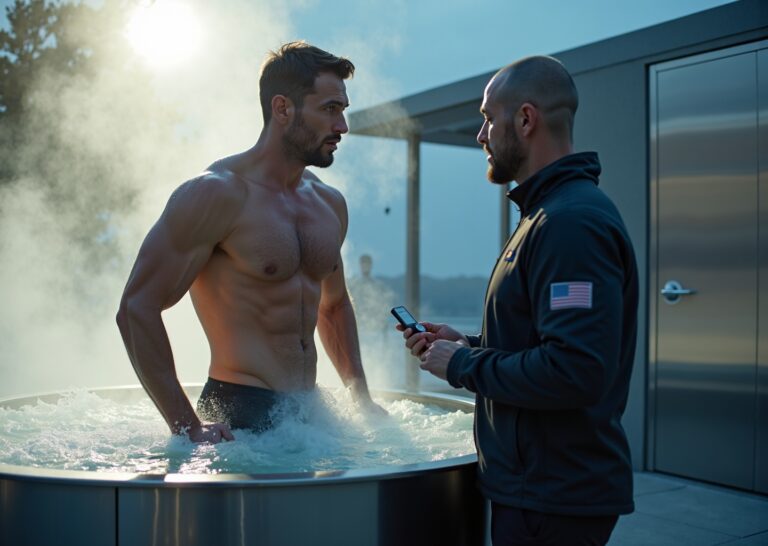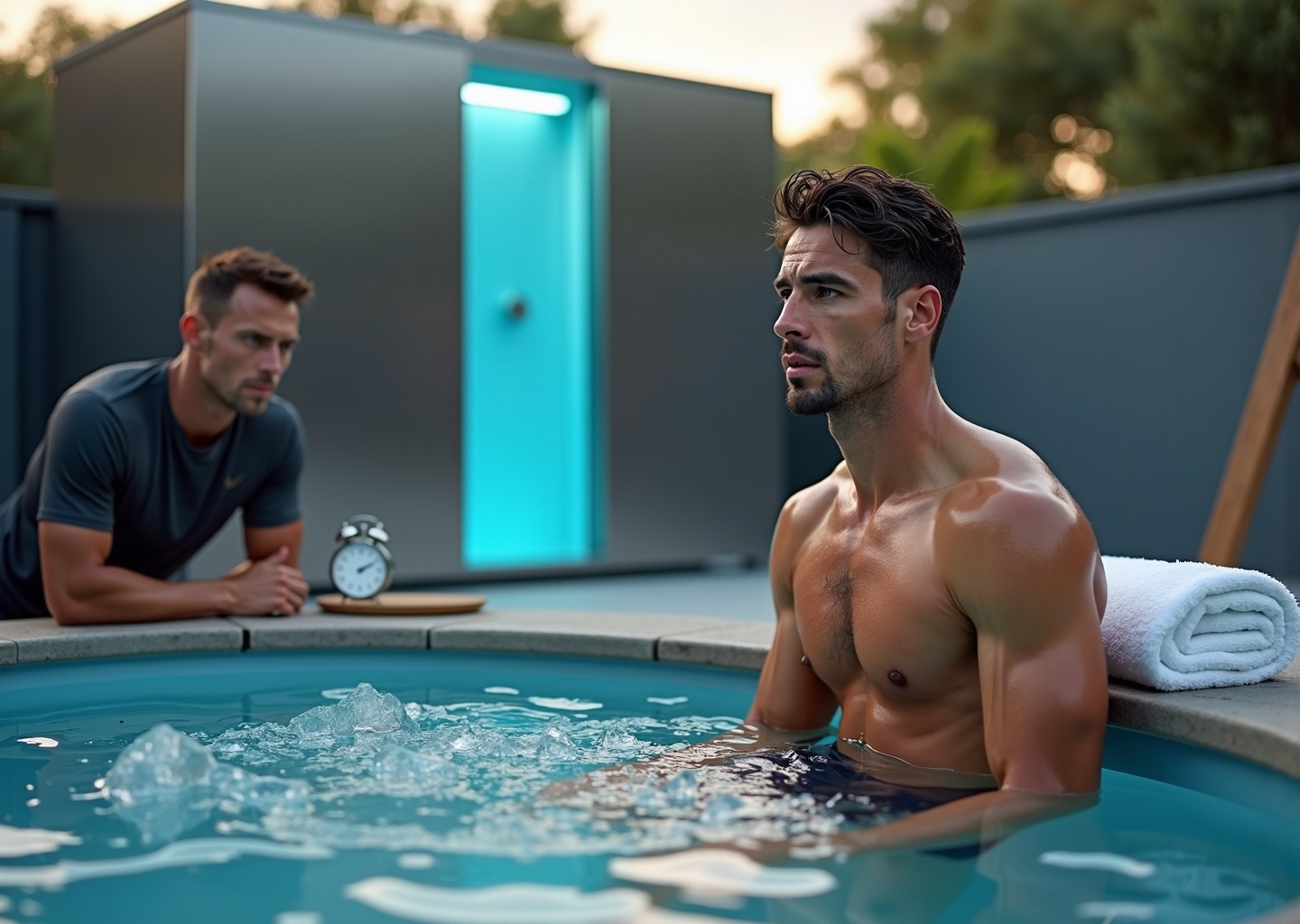
Cold exposure triggers brown adipose tissue and whole‑body thermogenesis, helping athletes burn calories and accelerate recovery. This article examines brown fat biology, evidence for ice baths, cryotherapy and contrast therapy, and provides sport‑specific protocols, safety guidance, and monitoring tips to integrate cold plunges into training for improved performance and metabolic health.
Brown Fat Biology and How Cold Burns Calories
When most of us think of body fat, we picture white adipose tissue, the stuff that stores energy and can accumulate around our waistlines. But there’s another, more metabolically active type of fat called brown adipose tissue, or BAT. Unlike white fat, which is primarily for storage, brown fat’s main job is to burn energy to produce heat. Think of it as your body’s internal furnace, a specialized tissue designed specifically for a process called cold-induced thermogenesis. This is your body’s way of warming up without shivering.
The process starts when your skin gets cold. Receptors send a signal to your brain, which activates the sympathetic nervous system, the same system responsible for your “fight or flight” response. This triggers the release of a hormone and neurotransmitter called norepinephrine. When norepinephrine reaches your brown fat cells, it binds to receptors on their surface and sets off a chain reaction inside. Brown fat cells are unique because they are packed with mitochondria, the powerhouses of the cell. These mitochondria contain a special protein called uncoupling protein 1, or UCP1. When activated by norepinephrine, UCP1 essentially hijacks the normal energy-making process. Instead of producing ATP, the chemical energy that fuels your muscles, UCP1 uncouples this process, causing the energy from fats and glucose to be released directly as heat.
There are actually two types of heat-producing fat cells. Classical brown adipocytes are the ones we are born with. Then there are beige adipocytes, which are cells that can develop within white fat depots through a process called “browning.” Chronic exposure to cold can encourage these beige cells to appear, giving your white fat some of the heat-producing characteristics of brown fat. This is a key adaptive mechanism that athletes can leverage over time. In adults, most functional BAT is found in specific locations, primarily in the neck, around the collarbones (supraclavicular region), and near the kidneys and spine. Scientists can visualize and measure its activity using methods like PET-CT scans, which track glucose uptake, or with infrared thermography, which measures the heat produced on the skin surface above these BAT depots.
Not everyone has the same amount or activity of brown fat. Several factors play a role. BAT activity tends to decrease as we age. Studies consistently show that women generally have more detectable BAT than men. Leaner individuals also tend to have more active brown fat compared to those with obesity. Even the seasons have an impact; BAT is significantly more active during the colder winter months. This is a clear example of your body adapting to its environment, as detailed in recent human studies on cold adaptation.
So, how much of a difference does it really make for calorie burning? Peer-reviewed research provides some solid estimates. During acute mild cold exposure (around 60°F or 15°C), individuals with active BAT can burn an additional 100 to 300 calories per day compared to those without. For perspective, that’s roughly the number of calories in a protein bar. With chronic cold acclimation, such as spending several hours a day in a cool environment for a few weeks, the benefits can be even greater. Some studies have shown that this can increase resting metabolic rate by 5 to 10% and significantly boost BAT volume and activity.
The benefits extend beyond just burning a few extra calories. The evidence is quite strong from randomized controlled trials that consistent cold exposure improves metabolic health. For example, a 10-day cold acclimation protocol has been shown to improve insulin sensitivity by over 25% in some participants. BAT is a hungry tissue, pulling large amounts of glucose and lipids from the bloodstream to fuel its heat production. This enhanced glucose uptake and lipid oxidation can help regulate blood sugar and improve cholesterol profiles. More recent, preliminary research suggests BAT also functions as an endocrine organ, releasing beneficial molecules called “batokines.” One such molecule, Maresin 2, has been shown in animal models to reduce inflammation and improve metabolic function system-wide.
What’s the practical takeaway? Activating your brown fat is a legitimate way to increase your daily energy expenditure. However, it’s not a magic bullet for weight loss. The extra 100-300 calories burned during a cold session is a helpful boost, but it represents a small fraction of your total daily energy expenditure. The real value for an athlete lies in the systemic metabolic improvements. Enhanced insulin sensitivity, better glucose control, and reduced inflammation are all critical for optimal performance and recovery. Think of brown fat activation less as a weight-loss hack and more as a powerful tool for fine-tuning your metabolic engine.
Cold Exposure Modalities and Mechanisms for Athletes
Athletes and clinicians use several distinct methods to apply cold, each with its own protocol, purpose, and physiological impact. Understanding these differences is key to choosing the right tool for a specific goal, whether it’s activating brown fat, speeding up recovery, or managing pain.
Whole Body Cryotherapy (WBC)
This modality involves standing in a chamber filled with nitrogen-cooled air for a very short period. Typical protocols use temperatures between -110°C and -140°C for just two to four minutes. Logistically, this requires a visit to a specialized clinic. Users wear minimal clothing, along with gloves, socks, and slippers to protect their extremities from frostbite. The main advantage is the speed and the dry nature of the cold, which many find more tolerable than icy water. However, accessibility is a major drawback, as chambers are mostly found in urban centers, and the cost can add up, typically running from $40 to $75 per session in the USA. Safety is paramount; sessions are always supervised, and individuals with uncontrolled hypertension, cardiovascular conditions, or Raynaud’s phenomenon should avoid WBC.
Cold Water Immersion (CWI)
More commonly known as ice baths or cold plunges, CWI is a staple for athletes. This method involves immersing the body up to the neck in water ranging from 0°C to 15°C. Sessions usually last between 5 and 20 minutes. CWI is highly accessible; it can be set up at home using a bathtub and ice, a modified chest freezer, or a dedicated cold plunge tub with a chiller. While the initial setup cost can range from a few hundred to several thousand dollars, the per-use cost is low. The primary benefit of CWI is its effectiveness. Water has a much higher thermal conductivity than air, allowing it to pull heat from the body efficiently, leading to deep tissue cooling and a powerful stimulus for brown fat activation. The main con is the intense initial shock, which requires mental fortitude and gradual adaptation.
Contrast Therapy
This technique involves alternating between cold and hot water immersion to create a vascular “pumping” effect. A common protocol is to cycle between 1 minute in cold water (around 10°C) and 2 minutes in hot water (around 40°C), repeating the cycle three to five times and always finishing with cold. This method requires access to both cold and hot tubs, which can be a logistical challenge outside of dedicated training facilities. While some athletes report enhanced recovery due to improved circulation, the scientific evidence showing its superiority over CWI alone is not definitive for all outcomes.
Localized Ice Application
The most targeted form of cold therapy, localized application involves placing an ice pack or a cryo cuff on a specific muscle or joint. The temperature is typically around 10-15°C, and the duration is 10 to 20 minutes. This is the go-to method for acute injuries to reduce swelling, inflammation, and pain. It is extremely cheap, accessible, and easy to perform. Its major limitation is that it provides no systemic benefits; it won’t activate brown fat or have a meaningful impact on overall recovery beyond the treated area.
Cold Air Exposure
This is the most gentle and chronic form of cold exposure. It involves spending extended periods, often 30 minutes or more, in a cool environment (15-19°C) while wearing light clothing. It can be done outdoors during cooler months or in a temperature-controlled room. While it doesn’t provide the acute shock of an ice bath, consistent exposure to mild cold is a proven method for gradually increasing brown fat volume and activity over time. It is free, highly accessible, and carries minimal risk, making it an excellent entry point for cold adaptation.
During any cold exposure session, the body undergoes immediate physiological changes. Vasoconstriction, the narrowing of peripheral blood vessels, shunts blood toward the core to preserve heat. This is accompanied by a decrease in nerve conduction velocity by up to 40%, which produces an analgesic or numbing effect. The cardiovascular system responds with an initial spike in heart rate and blood pressure, which should stabilize as the body adapts. It’s crucial to monitor markers like skin temperature, heart rate (staying below 150 bpm), and core body temperature, ensuring it does not drop below 35°C.
When comparing the two most popular systemic modalities, whole-body cryotherapy and ice baths deliver very different stimuli. The -110°C air in a cryo chamber causes a rapid and dramatic drop in skin temperature, but because air is a poor conductor of heat, the exposure is too short to significantly lower core body temperature or cool deep muscle tissue. The primary effects are neurological and skin-deep. In contrast, an ice bath at 5°C provides a less extreme but far more penetrating cold stimulus. The water efficiently draws heat from the body, cooling muscle, and importantly, stimulating the dense deposits of brown fat in the neck and supraclavicular regions more effectively. Research shows that this deep, sustained cold is a more potent trigger for the sympathetic nervous system pathways that drive brown fat thermogenesis. While both methods offer pain relief, the deep cooling from an ice bath often provides more lasting analgesia for muscle soreness.
Performance Benefits and Trade Offs of Cold Therapy
Cold therapy is a powerful tool, but its effects on athletic performance are not one-size-fits-all. The decision to jump into an ice bath depends entirely on your goals, your sport, and the timing of your training. Understanding the specific benefits and trade-offs is key to using cold exposure effectively.
For many athletes, the primary draw is accelerated recovery. Cold water immersion is consistently shown to reduce delayed onset muscle soreness (DOMS). A comprehensive meta-analysis found that ice baths significantly reduce muscle soreness 24 to 48 hours after exercise, with a moderate effect size (Standardized Mean Difference of -0.56). This isn’t just a feeling; the cold helps modulate the acute inflammatory response. By constricting blood vessels, it can limit the influx of inflammatory cells to damaged muscle tissue, potentially reducing secondary damage. This leads to athletes reporting they feel fresher and more ready for their next session. In tournament settings or during intense training camps where quick turnarounds are essential, this benefit can directly translate to better subsequent performance. For example, studies on endurance athletes have shown that post-race cold immersion can reduce markers of muscle damage like creatine kinase and improve performance in a time trial the following day.
Beyond muscle recovery, cold exposure offers a metabolic advantage through the activation of brown adipose tissue (BAT), or brown fat. As discussed previously, BAT is a specialized fat that burns calories to produce heat, a process called non-shivering thermogenesis. When you immerse yourself in cold water, your body activates BAT to help maintain core temperature. Research from the National Institutes of Health highlights that BAT activation can increase daily energy expenditure by 100 to 300 calories under mild cold conditions. While shivering also contributes significantly to this calorie burn, consistent cold exposure can increase the amount and activity of your brown fat over time. This makes it a useful, though secondary, tool for improving body composition and metabolic health. It’s important to see this as an incremental gain rather than a primary strategy for weight loss.
However, these benefits come with significant trade-offs, particularly for strength and power athletes focused on building muscle. The very mechanism that reduces inflammation can also interfere with the signals that tell your muscles to grow. Resistance training triggers an inflammatory response that is a crucial part of the anabolic, or muscle-building, process. Key signaling pathways like mTOR, which governs muscle protein synthesis, and the activation of satellite cells, which repair and build muscle fibers, are initiated by this training stress.
Multiple studies have now confirmed that an ice bath taken immediately after a resistance workout can blunt these signals. The result? Attenuated gains in both muscle size and strength over a long-term training block. One meta-analysis found that athletes who used cold water immersion immediately after lifting saw smaller improvements in hypertrophy compared to those who used passive recovery. This doesn’t mean strength athletes must avoid cold therapy entirely. The key factor is timing. The negative impact on anabolic signaling appears most potent within the first few hours post-workout. By waiting at least four to six hours, or by using cold therapy on a separate recovery day, athletes can likely get the recovery benefits without sacrificing their long-term adaptations.
So, when should you use cold therapy? Here’s a simple breakdown based on the evidence:
- Use it for acute recovery. After a competition, a grueling endurance event, or in sports with multiple games in a short period, an ice bath can significantly reduce soreness and improve readiness for the next performance.
- Use it to manage inflammation. During periods of very high training volume where systemic inflammation could become chronic and detrimental, strategic cold exposure can be beneficial.
- Avoid it immediately after strength training. If your primary goal is to build muscle and strength, do not use an ice bath within four hours of your lifting session. Let the natural adaptive processes run their course.
- Consider it for metabolic health. For general fitness or during a body composition phase, regular cold plunges can provide a small but consistent metabolic boost.
Ultimately, cold exposure is a precision tool. It can either accelerate your progress or hinder it, depending on how and when you apply it. By aligning its use with your specific training phase and goals, you can harness its benefits while avoiding the potential downsides.
Practical Cold Plunge Protocols by Sport and Goal
Transitioning from the science to the practical application of cold exposure requires a clear, goal-oriented approach. The right protocol depends entirely on what you want to achieve. A plan designed for a marathoner’s recovery will look very different from one aimed at a powerlifter trying to preserve muscle gains. Below are specific, actionable protocols tailored to common athletic goals.
Protocols for Acute Recovery
The primary goal here is to manage inflammation, reduce muscle soreness, and speed up the return to training readiness. Timing is everything.
- Endurance Athletes (Runners, Cyclists, Triathletes)
This group benefits most from immediate post-session immersion to combat the systemic inflammation from long-duration efforts.- Temperature: 10–12°C (50–54°F)
- Duration: 11–15 minutes.
- Frequency: 2–4 times per week, after key long or intense sessions.
- Timing: Immediately or within 30 minutes post-exercise.
- Team Sport Players (Soccer, Basketball, Football)
Focus is on reducing soreness from high-impact movements and accelerating recovery between games.- Temperature: 10–15°C (50–59°F)
- Duration: 8–12 minutes.
- Frequency: 1–2 times per week, typically after games or the most demanding practice.
- Timing: Within 1–2 hours post-activity.
- Strength Athletes (Powerlifters, Bodybuilders)
This is where caution is needed. To avoid blunting the inflammatory response necessary for muscle growth, cold exposure must be timed carefully.- Temperature: 12–15°C (54–59°F)
- Duration: 5–10 minutes.
- Frequency: 1–3 times per week.
- Timing: At least 4–6 hours after resistance training, or ideally, on a separate recovery day. Never immediately post-lift.
Pre-Competition Preparation
Used strategically, cold exposure can enhance readiness for endurance and team sports by reducing pre-competition muscle fatigue and increasing alertness without causing significant muscle cooling that would impair power.
- Temperature: 12–15°C (54–59°F)
- Duration: 3–5 minutes.
- Timing: 2–3 hours before competition. This provides an analgesic effect and a nervous system jolt without negatively impacting muscle performance.
Metabolic Conditioning and Body Composition
For those looking to leverage cold exposure for metabolic health and fat loss, the goal is to activate brown adipose tissue (BAT). This requires consistency and a focus on shivering, as both shivering and non-shivering thermogenesis burn calories. This process is a powerful tool for metabolic conditioning. You can learn more about it in this study: Brown fat thermogenesis and cold adaptation in humans – PMC – NIH.
- Temperature: 10–14°C (50–57°F), or cold enough to induce shivering that subsides after a few minutes.
- Duration: 10–15 minutes.
- Frequency: 3–5 times per week.
- Timing: On an empty stomach in the morning or on a separate recovery day to maximize the metabolic effect without interfering with training adaptations.
Progressive Acclimation and Contrast Therapy
Beginner’s Acclimation Schedule
This is the safest way to build tolerance. Jumping into a 10°C bath for 15 minutes is a recipe for failure. Start slow and let your body adapt.
- Week 1: 15°C (59°F) for 2–3 minutes, 2 times per week.
- Week 2: 15°C (59°F) for 4–5 minutes, 3 times per week.
- Week 3: 14°C (57°F) for 5–6 minutes, 3 times per week.
- Week 4 and beyond: Gradually decrease temperature by 1°C or increase duration by 1 minute each week until you reach your target protocol.
Contrast Therapy Protocol
This method involves alternating between cold and hot water to create a pumping action in the blood vessels, which can help flush metabolic waste. It’s excellent for general recovery.
- Order: Always start and end with cold to maximize vasoconstriction benefits.
- Timing: 1 minute cold (10–12°C / 50–54°F) followed by 2 minutes hot (38–40°C / 100–104°F).
- Cycles: Repeat 3 to 5 times.
Sample Weekly Plans
| Athlete Type | Monday | Tuesday | Wednesday | Thursday | Friday | Saturday | Sunday |
|---|---|---|---|---|---|---|---|
| Endurance | Rest | Intervals + Plunge (12°C, 12 min) | Easy Run | Tempo Run + Plunge (12°C, 12 min) | Rest | Long Run + Plunge (10°C, 15 min) | Recovery |
| Strength | Upper Body Lift | Lower Body Lift + Plunge (15°C, 8 min, PM) | Rest | Upper Body Lift | Lower Body Lift + Plunge (15°C, 8 min, PM) | Accessory Work | Rest + Plunge (12°C, 10 min) |
| Team Sport | Practice | Practice + Plunge (15°C, 10 min) | Skills | Practice | Rest | Game Day + Plunge (12°C, 12 min) | Active Recovery |
| Fitness/Body Comp | Plunge (AM) + Workout | Workout | Plunge (AM) + Workout | Workout | Plunge (AM) + Workout | Active Recovery | Rest |
Monitoring and Safety Checklist
How to Monitor Your Response
Pay attention to your body’s signals. Key metrics include:
- Heart Rate Variability (HRV): A consistent drop may indicate you’re overstressing your system.
- Resting Heart Rate: An elevation can be a sign of poor recovery.
- Subjective Feelings: Track your energy levels, mood, and sleep quality. If they decline, reduce the frequency or intensity of your cold exposure.
- Rated Perceived Exertion (RPE): If your training feels harder than usual, you may need more recovery.
Safety Red Flags
Cold exposure is not for everyone. You should avoid it completely or seek medical clearance if you have any of the following conditions:
- Cardiovascular disease, a history of heart problems, arrhythmias, or epilepsy.
- Uncontrolled high blood pressure.
- Raynaud’s phenomenon.
- Pregnancy.
- Cold urticaria (hives from cold).
- Nerve damage (neuropathy).
- Open wounds or severe skin conditions.
Always listen to your body, never push through intense, uncontrollable shivering, and never plunge alone.
Common Questions and Practical Answers
Diving into cold exposure brings up a lot of questions. Here are clear, evidence-based answers to some of the most common practical questions we hear from athletes and fitness enthusiasts.
Is contrast therapy better than continuous cold?
It depends on what you’re trying to achieve. Contrast therapy, which involves alternating between hot and cold water, creates a vascular “pumping” action. This is excellent for increasing blood flow and helping to clear metabolic byproducts, making it great for general soreness. Continuous cold immersion is better for reducing acute inflammation, numbing pain, and triggering a strong thermogenic response for brown fat activation.
Are there age limits, and is it safe for teenagers or older adults?
Yes, precautions are necessary. For healthy teenagers (generally 16 and older), cold plunges are likely safe with proper supervision. For older adults, more caution is needed. Brown fat activity and cardiovascular resilience tend to decrease with age. Anyone over 65, or with underlying health issues, should consult their doctor before starting and begin with very mild temperatures and short durations.
What equipment is needed to start?
You don’t need an expensive setup. The easiest way to start is by adding ice to your bathtub at home. For a more dedicated option, many people convert a chest freezer into a permanent cold plunge. If you have the budget, commercial options range from affordable inflatable tubs to high-end units with built-in cooling and filtration. The one non-negotiable piece of equipment is a reliable waterproof thermometer to ensure safety and track your progress accurately.
Final Takeaways and Implementation Roadmap
We’ve covered the science, the methods, and the common questions surrounding cold exposure. Now, let’s bring it all together into a clear summary and a practical roadmap you can use to integrate these powerful tools into your training and life. The goal isn’t to suffer through the cold, but to use it strategically to enhance your body’s natural capabilities.
Let’s recap the essential truths. Brown adipose tissue, or BAT, is a unique type of fat that generates heat by burning calories, a process known as non-shivering thermogenesis. While activating it through cold exposure does increase energy expenditure, it’s important to be realistic. For most people, consistent cold exposure might lead to an extra 100 to 300 calories burned per day. This is a meaningful metabolic boost but not a primary tool for significant weight loss on its own. Think of it as a supportive habit for metabolic health, not a replacement for sound nutrition and training. You can find more details on the mechanisms in studies like Brown fat thermogenesis and cold adaptation in humans.
The timing of cold therapy is critical for athletes. For recovery, its benefits are most pronounced after endurance events or high-intensity team sports. An ice bath can significantly reduce delayed onset muscle soreness (DOMS) and inflammation, helping you feel ready for your next session sooner. However, for strength and hypertrophy goals, the story changes. Cold exposure, particularly within four to six hours after a resistance training session, can blunt the inflammatory and signaling pathways necessary for muscle growth. The very process it uses to reduce soreness can interfere with adaptation. Therefore, timing is not just a suggestion; it is a fundamental rule for optimizing results.
To help you start safely and effectively, here is a prioritized implementation roadmap.
- Medical Screening First
Before your first plunge, consult a healthcare professional. This is non-negotiable. Certain conditions make cold exposure risky. These include cardiovascular diseases like uncontrolled high blood pressure, Raynaud’s phenomenon, cold urticaria, epilepsy, and pregnancy. A doctor’s clearance ensures you are starting from a safe foundation. - Start with Gentle Acclimation
Your body needs time to adapt. Do not jump into a 3°C (38°F) ice bath for 15 minutes. Start with a much milder approach.- Temperature: Begin with water around 15°C (60°F). This is cool but not brutally cold.
- Duration: Stay in for only 2 to 3 minutes.
- Progression: After a week of consistent sessions, you can gradually decrease the temperature by 1°C or increase the duration by one minute. Listen to your body, not a stopwatch.
- Apply Sport-Specific Timing Rules
Integrate cold exposure based on your training goals.- For Endurance and Recovery: Use cold water immersion for 10-15 minutes at 10-15°C (50-60°F) immediately after your key workouts or competitions.
- For Strength and Hypertrophy: Schedule your cold sessions at least 4-6 hours after your workout. Better yet, use them on rest days to get the recovery benefits without interfering with muscle growth signals.
- For General Health and BAT Activation: A morning plunge can be a great way to start the day, independent of your training schedule.
- Monitor Your Body’s Response
Pay attention to both how you feel and what the data says. Subjectively, track your energy levels, sleep quality, and perceived soreness. Objectively, use a wearable device to monitor metrics like Heart Rate Variability (HRV) and Resting Heart Rate (RHR). A sustained drop in HRV or an increase in RHR can indicate your body is under too much stress, and you may need to scale back. - Consider Advanced Therapies Later
Whole-body cryotherapy is an option once you are well-acclimated to cold water immersion. It offers a different stimulus (dry, extreme cold for a very short duration) and can be more convenient. It is not inherently superior, just a different tool that may fit your logistics or preferences better. Do not start with it. Master the fundamentals of cold water immersion first.
Finally, how do you know if this is working for you? Give any new protocol a consistent 4 to 6-week trial. During this time, look for meaningful benefits. Are you experiencing a 20-30% reduction in DOMS? Is your HRV trending upward or remaining stable despite hard training? Do you feel mentally sharper or more resilient? These are signs of a positive adaptation.
Conversely, know when to stop or adjust. If you notice a consistent decline in sleep quality, a drop in HRV of more than 10% for over a week, or a persistent feeling of fatigue and low mood, your protocol is likely too aggressive. In this case, reduce the frequency, duration, or intensity of your cold exposure. The ultimate goal is to use cold as a tool for peak performance, not as another source of systemic stress.
Sources
- Brown fat thermogenesis and cold adaptation in humans – PMC – NIH
- Full article: Effect of habitual cold exposure on brown adipose tissue …
- Cold exposure stimulates cross-tissue metabolic rewiring to fuel …
- Effect of habitual cold exposure on brown adipose tissue activity in …
- Cold Temps May Help to Combat Obesity and Related Metabolic …
Legal Disclaimers & Brand Notices
Medical Disclaimer: The content of this article, including all discussions of cold exposure protocols, physiological effects, safety guidance, and health benefits (such as brown fat activation and metabolic improvements), is provided for informational purposes only. It is not intended to be a substitute for professional medical advice, diagnosis, or treatment. Always seek the advice of a qualified healthcare provider with any questions you may have regarding a medical condition or before starting any new health regimen, including cold water immersion or cryotherapy. Never disregard professional medical advice or delay in seeking it because of something you have read in this article.
Trademark Acknowledgement: All product names, logos, and brands mentioned in this article, or implied through discussion of specific modalities (e.g., Whole Body Cryotherapy), are the property of their respective owners. Their use does not imply any affiliation with or endorsement by them.