Contrast showers and cold water immersion can deliver many of the recovery and performance benefits of ice baths without a tub. This article explains the physiology behind cold therapy, evidence-based temperature and timing guidelines, practical step-by-step contrast shower protocols you can do at home, and sport-specific recommendations to optimize recovery and performance safely.
How Cold Therapy Helps Performance and Recovery
The physiological response to cold exposure begins the moment water hits the skin. This process is governed by the autonomic nervous system and the vascular network. When the body encounters cold water, it initiates a survival mechanism known as the cold shock response. This response triggers immediate peripheral vasoconstriction. The smooth muscles surrounding the blood vessels contract to move blood away from the skin and toward the internal organs. This shift preserves core temperature and protects vital functions. In contrast, heat exposure causes vasodilation. The blood vessels expand to allow heat to escape through the skin. Alternating between these two states creates a mechanical effect often described as vascular gymnastics.
Vascular and Lymphatic Dynamics
The Vascular Pump
The rapid transition from cold to hot water acts as a manual pump for the circulatory system. During the cold phase, the narrowing of vessels increases peripheral resistance. When the water turns hot, the vessels open wide. This cycle helps move blood through the capillary beds and improves overall circulation. It is particularly effective for the lymphatic system. Unlike the cardiovascular system, the lymphatic system does not have a central pump. It relies on muscle movement and changes in vascular pressure to move lymph fluid. Contrast therapy provides this pressure through the repeated tightening and relaxing of the vessel walls. This helps move interstitial fluid and metabolic waste products out of the muscle tissue.
Metabolic Recovery and Lactate
The impact of cold on metabolic recovery is a subject of ongoing research. Some small studies have shown that contrast therapy can accelerate the clearance of plasma lactate after intense exercise. One study involving eleven participants reported a faster decline in lactate levels after thirty minutes of contrast bathing compared to passive rest. However, the evidence is not entirely consistent across all sports. The primary benefit seems to be the reduction of edema and the movement of fluid rather than a direct chemical breakdown of metabolic byproducts. The mechanical flushing of the tissues likely contributes to the perceived reduction in heaviness that athletes report after a session.
Neural and Autonomic Effects
The Norepinephrine Spike
Cold exposure is one of the most potent ways to stimulate the sympathetic nervous system. It triggers a significant release of catecholamines, specifically norepinephrine and epinephrine. Research indicates that a single cold exposure can increase plasma norepinephrine levels by 200 to 500 percent. This chemical surge is responsible for the immediate sense of alertness and focus that follows a cold shower. It is a measurable hormonal shift that lasts for several hours. This makes cold therapy an effective tool for mental resets and improving morning wakefulness.
Sleep and Parasympathetic Rebound
While the initial shock of cold is stimulatory, the long term effect can support better sleep. After the sympathetic spike, the body often experiences a parasympathetic rebound. This is the “rest and digest” state. If a contrast shower is timed correctly, it can help lower the core body temperature. A slight drop in core temperature is a natural signal for the brain to prepare for sleep. For the best results, many experts suggest performing contrast therapy sixty to ninety minutes before bed. Ending with a warm phase or a very mild cool phase can help the body settle into a relaxed state without the overstimulation of extreme cold.
Inflammation and Muscle Soreness
Managing DOMS
Delayed onset muscle soreness, or DOMS, is a common challenge for active individuals. A 2017 systematic review and meta-analysis confirmed that cold water immersion at temperatures between 10 and 15 degrees Celsius for 10 to 15 minutes reduces muscle soreness at 24 to 96 hours post-exercise. Contrast showers provide a similar though less intense version of this benefit. The cold reduces the inflammatory signaling that leads to pain. It also slows down nerve conduction velocity, which provides a natural analgesic effect. This reduction in pain perception allows athletes to maintain their training volume and feel more recovered between sessions.
Comparison of Cold Modalities
| Modality | Typical Temperature | Standard Duration | Primary Mechanism |
|---|---|---|---|
| Whole Body Cryotherapy (WBC) | -110 to -196 Celsius | 1 to 3 minutes | Extreme air cooling, neural shock |
| Cold Water Immersion (CWI) | 8 to 15 Celsius | 10 to 15 minutes | Hydrostatic pressure, deep tissue cooling |
| Contrast Showers | 10 to 40 Celsius | 5 to 15 minutes | Vascular pumping, skin temperature shifts |
WBC versus CWI
Whole body cryotherapy uses extremely low temperatures in a dry chamber. It primarily affects the skin and triggers a massive neural response. Cold water immersion is different because water is much more conductive than air. Water at 10 degrees Celsius will cool the muscle tissue much deeper and faster than air at -110 degrees. CWI also provides hydrostatic pressure, which helps reduce swelling. Contrast showers are a middle ground. They do not provide the deep cooling of a 15-minute soak, but they offer the vascular benefits of alternating temperatures without the need for a tub or large amounts of ice.
The Hypertrophy Debate
Blunting Anabolic Signaling
One of the most important findings in recent sports science is the effect of cold on muscle growth. A 2015 randomized study showed that immediate cold water immersion after resistance training can blunt long term hypertrophy. The cold suppresses the inflammatory response that is necessary for muscle repair and growth. It specifically reduces the activation of the mTOR pathway, which is the primary driver of muscle protein synthesis. If your goal is to build maximum muscle mass, you should avoid cold therapy for at least six hours after a lifting session. Many physiologists recommend waiting 24 hours to ensure the anabolic signaling is complete.
Endurance and Rapid Recovery
The rules are different for endurance athletes or those in the middle of a tournament. When the goal is to perform again in a short window, the priority shifts from long term adaptation to acute recovery. In these cases, immediate cold exposure is beneficial. It reduces the perception of fatigue and helps the athlete feel ready for the next effort. For a marathoner or a soccer player in a multi-day event, the benefits of reduced soreness outweigh the risks of slightly blunted muscle growth.
Safety and Contraindications
Cardiovascular Stress
The sudden transition to cold water puts a significant load on the heart. The heart rate and blood pressure spike during the first minute of exposure. Individuals with uncontrolled hypertension, defined as blood pressure over 160 over 100 mmHg, should avoid aggressive cold therapy. Those with a history of heart disease or cardiac arrhythmias must seek medical clearance. The cold shock can provoke a gasping reflex or hyperventilation, which can be dangerous for people with certain respiratory conditions.
Specific Conditions
Raynaud’s phenomenon is a condition where the small arteries that supply blood to the skin narrow excessively in response to cold. This can cause pain, numbness, and skin color changes in the fingers and toes. Cold urticaria is another risk, which is essentially an allergy to cold that causes hives or swelling. Pregnant women should avoid deep cold immersion because the shift in blood volume toward the core can affect uterine blood flow. Always start with mild temperatures and shorter durations to test your personal tolerance.
Immune System Support
A 2016 study of over 3,000 adults in the Netherlands found that those who took daily cold showers for 30 to 90 seconds reported a 29 percent reduction in sick leave. While the cold did not necessarily prevent them from getting a virus, it seemed to reduce the severity of their symptoms. This suggests that regular, brief cold exposure can modulate the immune response over time. It is a simple way to build resilience and improve the body’s ability to handle environmental stress.
Practical Contrast Shower Protocols Without a Tub
Many people assume that high level recovery requires a dedicated cold plunge tub or an expensive gym membership. But you can achieve significant physiological shifts using only your home shower. This approach is practical for athletes who travel or those who want to start contrast therapy without a major financial investment. The goal is to alternate between hot and cold water to create a vascular pump. This process moves blood through your muscles and helps clear metabolic waste. You do not need a tub of ice to trigger these responses. A standard shower head provides enough surface area to stimulate the nervous system and change your skin temperature.
Preparation and Equipment Checklist
Before you start your first session, you need a few basic items to ensure safety and accuracy. A digital instant read thermometer is the most important tool. You should look for one with a precision of plus or minus 0.5 degrees Celsius. This allows you to measure the water temperature coming out of the shower head or in a bucket. You also need a non slip rubber mat for the floor of your shower. Moving between hot and cold water can cause slight dizziness or a loss of balance in some people. A waterproof timer is necessary to track your cycles. You can use a phone on a stand outside the glass, but a dedicated timer is easier to see through the steam. If you plan to do localized leg plunges, keep a 40 to 80 liter plastic bucket or a collapsible tub nearby. You might also want a few 20 pound bags of ice if your tap water does not get cold enough on its own.
Measuring Water Temperature Safely
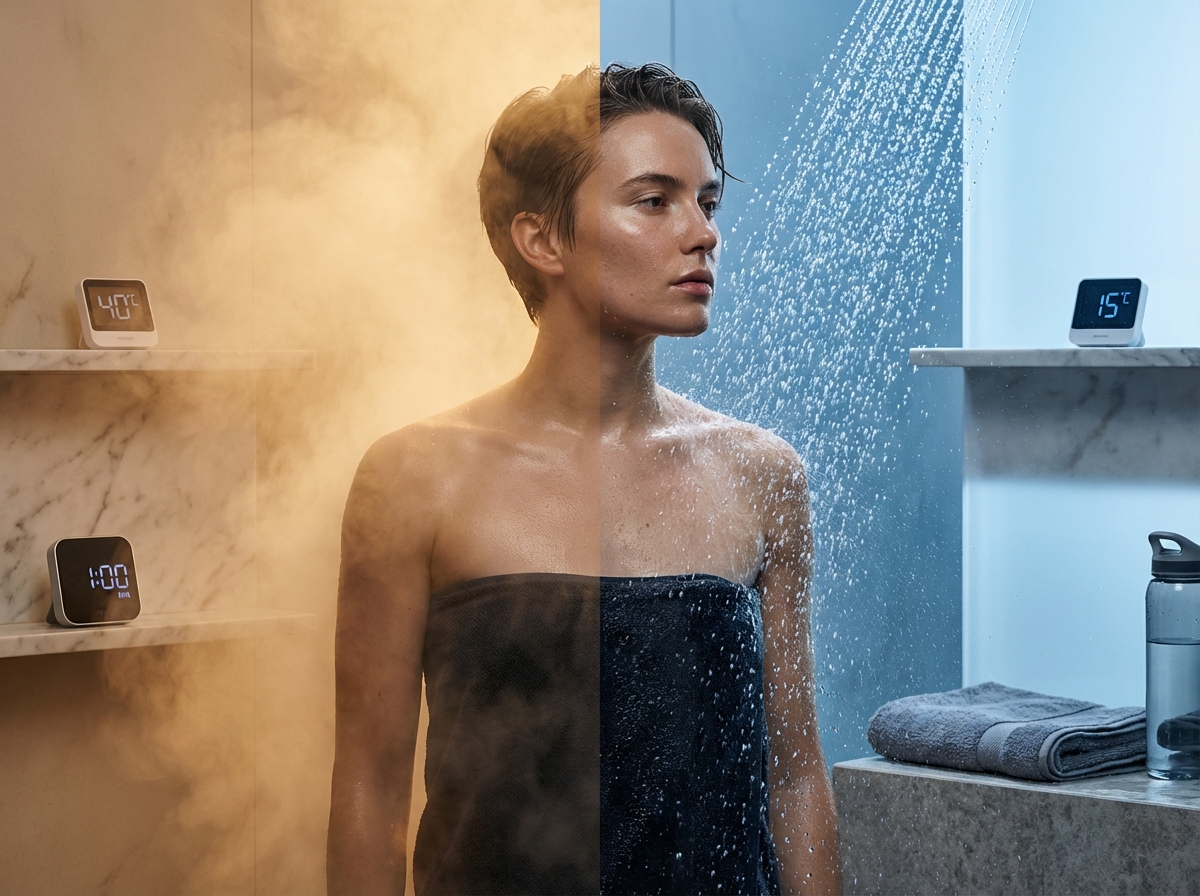
Testing your water is a critical safety step. Most household water heaters in the United States are set to 49 degrees Celsius or 120 degrees Fahrenheit. Water at 60 degrees Celsius can cause burns in seconds. You should aim for a hot phase between 38 and 40 degrees Celsius. This is warm enough to cause vasodilation without risking a scald. To measure this, let the water run for two minutes and hold your digital probe in the stream. For the cold phase, you want the water to be between 10 and 15 degrees Celsius. If your tap water is warmer than 20 degrees Celsius, you may need to supplement with a bucket plunge for your legs.
If you are traveling and do not have a thermometer, you can use a simple sensory scale. The hot water should feel like a comfortable, relaxing bath; it should never be painful or turn your skin bright red immediately. The cold water should feel “biting” or very uncomfortable for the first 15 seconds. If you can stand under it for a full minute without any discomfort, it is likely not cold enough to trigger the desired vasoconstriction. In this case, focusing the stream on thin-skinned areas like the neck, armpits, or groin can help increase the systemic cooling effect.
Warm Up and Precautions
Never jump into a contrast shower with a cold core. You should perform five to ten minutes of light aerobic movement like walking or dynamic stretching before you begin. This raises your internal temperature and prepares your cardiovascular system for the stress of the water. If you have a history of uncontrolled hypertension or heart disease, you must get medical clearance first. Cold water causes an immediate spike in blood pressure as your peripheral vessels constrict. People with Raynaud’s phenomenon or cold urticaria should also be cautious. If you feel chest pain or severe shortness of breath, stop the protocol immediately. It is helpful to have someone else in the house during your first few sessions just in case you feel faint.
| Protocol Goal | Hot Phase Duration | Cold Phase Duration | Total Cycles |
|---|---|---|---|
| Rapid Post Session Recovery | 90 to 180 seconds | 15 to 60 seconds | 3 to 6 cycles |
| Alertness and Mental Reset | 30 to 60 seconds | 10 to 30 seconds | 2 to 4 cycles |
| Active Recovery for Endurance | 120 to 180 seconds | 60 to 90 seconds | 3 to 4 cycles |
Rapid Post Session Recovery Protocol
This protocol is designed for athletes who just finished a high intensity workout. Start with the hot water at 38 to 40 degrees Celsius for 90 to 180 seconds. Focus the water on the muscle groups you just trained. Then switch to the cold water at 10 to 15 degrees Celsius for 15 to 60 seconds. Repeat this cycle three to six times. You should always end on the cold phase. This final burst of cold boosts circulation and leaves you feeling refreshed rather than lethargic. This method helps reduce the perception of muscle soreness and is very effective during multi day tournaments where you need to bounce back quickly. According to AANMC, this alternation between temperatures enhances cardiovascular function by boosting circulation and reducing heart strain.
In a tournament setting, efficiency is the priority. Contrast showers allow multiple athletes to cycle through a locker room quickly without the logistical nightmare of filling dozens of ice baths. Coaches should implement a 5 to 10 minute protocol for each player. If the venue has limited hot water, athletes can focus the cold spray specifically on the muscle groups used most in their sport, such as the quads for soccer players or the shoulders for pitchers. This targeted application saves resources while still providing the analgesic effects of the cold.
Alertness and Mental Reset Protocol
If you are using contrast showers to improve focus or wake up in the morning, the cycles should be shorter. Use hot water for 30 to 60 seconds followed by a very cold burst for 10 to 30 seconds. Repeat this only two to four times. The goal here is a catecholamine surge. Cold exposure triggers the release of norepinephrine and dopamine, which sharpens your mind. Finish with at least 30 seconds of the coldest water your shower can provide. This protocol is excellent for overcoming the afternoon slump or preparing for a big meeting. Research mentioned by UCLA Health suggests that even a few minutes of cold therapy can provide a significant mood boost and pain relief.
Active Recovery for Endurance Athletes
Endurance athletes often deal with systemic fatigue and heavy legs. For this protocol, keep the warm phase at 37 to 39 degrees Celsius for two to three minutes. While the warm water is running, perform very light movements like calf raises or slow air squats. Then switch to cold water for 60 to 90 seconds. If you have a bucket, you can plunge your legs into 12 degree water while keeping your upper body dry. This localized cooling is less stressful on the central nervous system but very effective for reducing inflammation in the lower limbs. Repeat this three or four times. This approach is best used on rest days or after long runs to maintain blood flow without adding more training stress.
Alternatives When Cold Water is Unavailable
Sometimes your tap water will not drop below 20 degrees Celsius, especially in the summer. In these cases, you can still get benefits by creating a “warm versus cool” contrast. Use 40 degree water for the hot phase and the coolest available tap water for the cold phase. While the temperature delta is smaller, the vascular pump still functions. Another option is to apply ice packs to your legs for ten minutes and then step into a warm shower. You can also use a bucket plunge for your feet and calves. Fill a small tub with tap water and add five kilograms of ice to reach a target of 10 degrees Celsius. This allows you to cool the most fatigued tissues even if your shower head is not cold enough.
How to Progress Intensity Safely
You should not start with the most extreme temperatures. Begin with a mild difference, such as 38 degrees for hot and 20 degrees for cold. Over two to four weeks, you can gradually lower the cold temperature by one or two degrees. You can also lengthen the cold phase by five or ten seconds each week. Monitor your tolerance using the Rate of Perceived Exertion or RPE on a scale of zero to ten. Aim for an RPE of six or seven. You should feel a “cold shock” but you must be able to maintain controlled breathing. If you start gasping or shivering uncontrollably, the water is too cold or the duration is too long. Your heart rate will spike when you switch to cold, but it should stabilize within twenty seconds.
Integration with Other Recovery Modalities
Contrast showers work best when they are part of a larger routine. For better sleep, try a contrast shower 60 to 90 minutes before bed. Ending with a warm or mild cooling phase can help your core temperature drop, which is a signal for sleep onset. As noted by Eight Sleep, this is a great way to reap benefits without overstimulating the body before rest. You can also pair your shower with 20 to 30 mmHg compression garments. Put the garments on immediately after drying off to help maintain the lymphatic drainage initiated by the water.
Massage guns or foam rolling can also be used during the warm phases of the shower to increase local blood flow and work out trigger points. However, you should avoid aggressive deep tissue massage immediately after a very cold phase because the numbing effect of the water might prevent you from feeling if the pressure is too intense. A better sequence is to perform light mobility work during the warm cycles and save the heavy compression for the hour following your shower.
Measuring Success and Tracking Recovery Outcomes
You should use both subjective and objective metrics to see if your contrast routine is working. The Perceived Recovery Status scale is a simple 0 to 10 rating you can record in a training log before and after each session. If your scores consistently improve, the protocol is effective for your nervous system. For objective data, many athletes use a countermovement jump test. If your jump height or power output returns to baseline faster when using contrast showers compared to passive rest, you have clear evidence of physical recovery. You can also track your morning heart rate variability (HRV). A significant drop in HRV often indicates that your body is struggling to recover. If a contrast shower helps bring your HRV back to your normal range the following morning, it is a sign that the therapy is helping your autonomic nervous system balance itself after the stress of training.
Troubleshooting and Common Mistakes
One common mistake is staying in the hot water too long. If the hot phase exceeds five minutes, you may become too relaxed or even lightheaded, which defeats the purpose of the contrast. Another error is skipping the warm up. Entering cold water with a low core temperature can lead to excessive shivering and muscle tension. Many people also forget to dry off quickly. If you stay damp in a cool room, you might continue to lose heat and feel chilled for hours. Always have a thick towel ready. If you find that you cannot catch your breath, try focusing on a slow exhale. Controlled breathing is the key to managing the sympathetic nervous system response. Finally, do not use aggressive cold immediately after a strength session if your primary goal is muscle growth, as it can blunt the signals for hypertrophy.
Conclusions and Practical Takeaways
The transition from theory to daily practice requires a clear understanding of your specific physical goals. Contrast showers serve as a versatile tool for those who lack the space or the budget for a dedicated cold plunge tub. While a full ice bath provides deeper muscle cooling, the alternating temperatures of a shower create a vascular pump that is highly effective for metabolic waste removal. This method relies on the rapid switching between hot water at roughly 100 to 104 degrees Fahrenheit (38–40°C) and cold water between 50 and 59 degrees Fahrenheit (10–15°C). These shifts cause your blood vessels to constrict and dilate in quick succession, moving blood through the system more efficiently than passive rest.
Choosing the Right Modality
Deciding between a full ice bath and a contrast shower depends on your training phase. If you are focused on hypertrophy and building muscle mass, you should avoid intense cold exposure immediately after your lifting sessions. Research indicates that cold water immersion right after resistance training can blunt the mTOR signaling pathway, reducing long term gains in muscle size. In these cases, you should wait at least six to twenty four hours before using cold therapy. If your goal is endurance or you are competing in a multi day tournament, contrast showers are the superior choice. They provide the cardiovascular function benefits needed to refresh the limbs without the heavy systemic fatigue that sometimes follows a deep ice plunge.
The Decision Guide for Athletes
Use the following logic to determine your recovery routine for the day. For quick circulation and recovery between two training sessions on the same day, choose a contrast shower. This will help you feel refreshed without lowering your core temperature too much. If you are dealing with intense inflammation or a specific joint injury, a full cold immersion is more effective when it is available. For a mental reset or a boost in morning alertness, a short contrast shower ending on cold is the best option. This triggers a surge in norepinephrine and dopamine. If you are preparing for sleep, a contrast shower ending on a warm or neutral phase will help your body begin its natural cooling trajectory for rest.
First Week Starter Plan
If you are new to this practice, you should follow a progressive schedule to allow your nervous system to adapt. Do not try to use the coldest setting on the first day.
Day 1 through Day 3
Perform three cycles of contrast. Spend 90 seconds under warm water at a comfortable 98 to 100 degrees Fahrenheit. Follow this with 30 seconds of cool water at approximately 65 degrees Fahrenheit. End the session with a warm phase to stay relaxed.
Day 4 through Day 7
Increase the intensity to four cycles. Keep the hot phase at 90 seconds but lower the cold water temperature to its lowest tap setting for 30 to 45 seconds. Try ending the session on the cold phase to see how it affects your energy levels for the rest of the day.
The benefits of contrast showers extend beyond simple muscle recovery. Consistent practice may strengthen the immune system over time, as evidenced by reductions in sick leave among daily practitioners. While the shower does not provide the same hydrostatic pressure as a tub, it is a highly accessible way to improve your health. Keep your sessions consistent. The most significant adaptations happen after several weeks of regular exposure. Always prioritize the quality of the exposure over the extreme temperature. Consistency will always yield better results than a single session of extreme cold that you cannot repeat.
References
- New Sleep Hack: Contrast Showers, What They Are and How They … — In sum, contrast showers can be a great way to reap both the benefits of hot and cold showers without overstimulating or overheating our bodies before bed.
- Discover the Benefits of Contrast Hydrotherapy – AANMC — Contrast hydrotherapy enhances cardiovascular function by alternating hot and cold water, boosting circulation and reducing heart strain.
- Hydrotherapy Contrast Shower — Contrast showers have been shown to boost the immune system to help prevent and fight off common illnesses like colds and flu. All you need is …
- The Benefits of Contrast Bath Therapy – WorldSprings — Improve energy, mood, and focus. Cold water exposure triggers release of dopamine, epinephrine (also known as adrenaline), and norepinephrine in the body, …
- 6 cold shower benefits to consider | UCLA Health — A cold shower can have benefits including pain relief and a mood boost. Learn how just a few minutes of cold therapy during your shower might be good for …
- The untapped potential of cold water therapy as part of a lifestyle … — Cold water therapy also reduces inflammation, boosts the immune system, promotes sleep and enhances recovery following exercise. The optimal duration and …
- Hot and Cold: A Look into the Benefits of Contrast Therapy – SWTHZ — Potential long-term benefits include improved cardiovascular health and decreased risk of brain disease. Additionally, athletes tend to report reduced feelings …
Legal Disclaimers & Brand Notices
The content provided in this article is for informational purposes only and does not constitute professional medical advice, diagnosis, or treatment. Always seek the advice of a physician or other qualified health provider with any questions you may have regarding a medical condition or before attempting new physical recovery protocols, particularly those involving cardiovascular stress or extreme temperature changes.
All product names, logos, and brands mentioned in this text are the property of their respective owners. All company, product, and service names used in this article are for identification purposes only. Use of these names, logos, and brands does not imply endorsement.